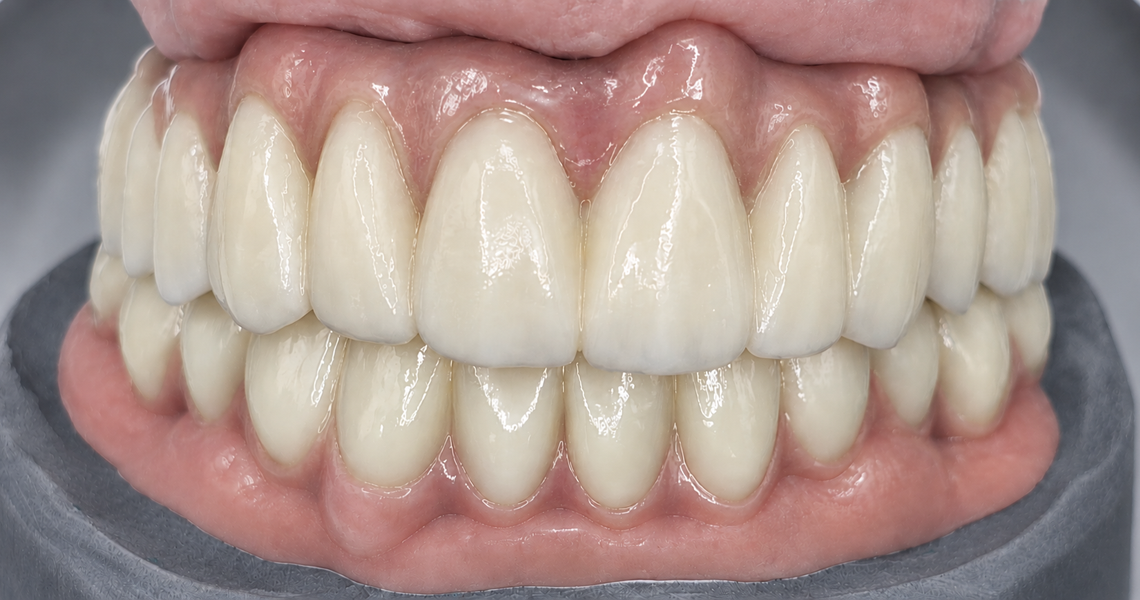
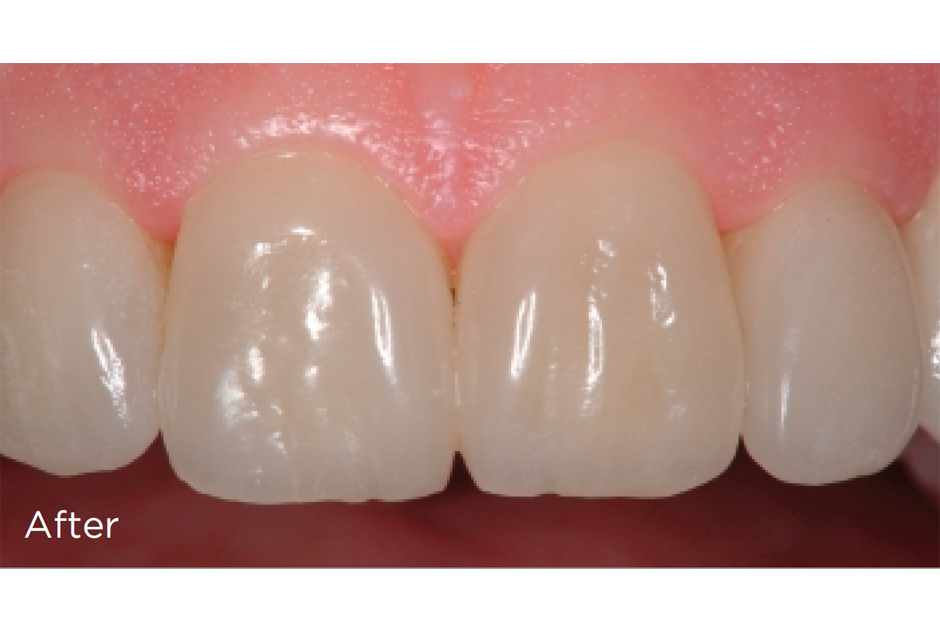
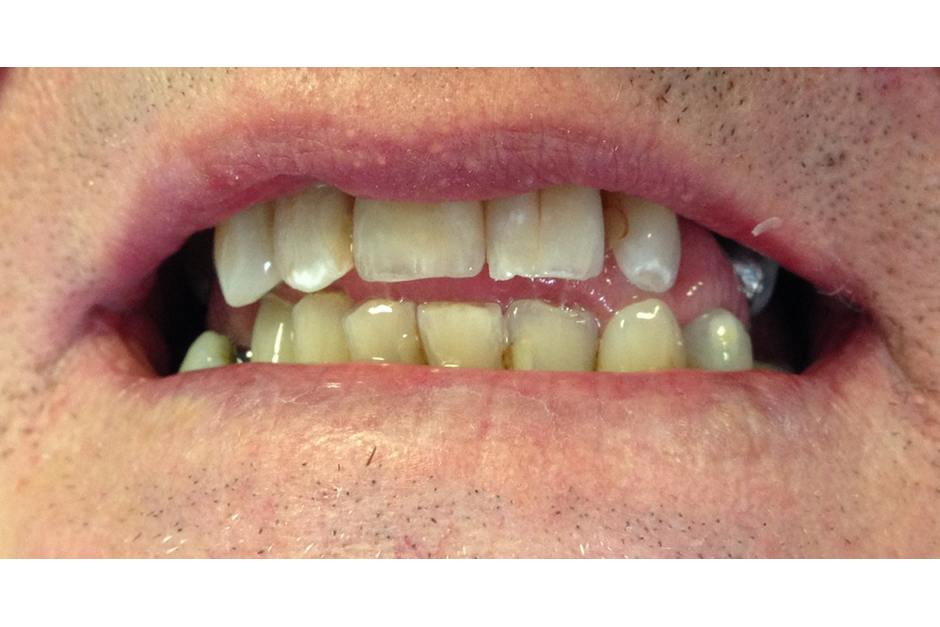
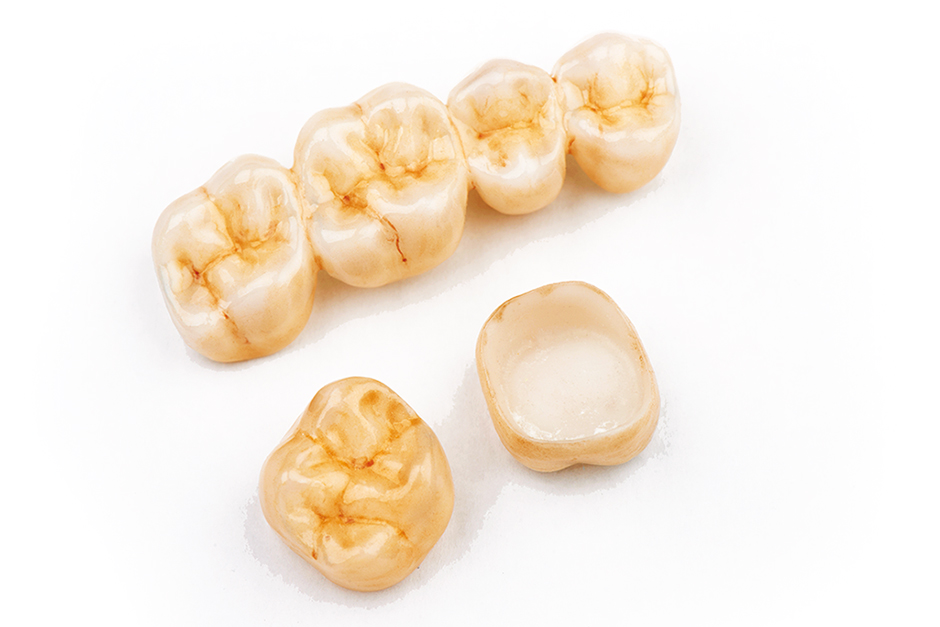
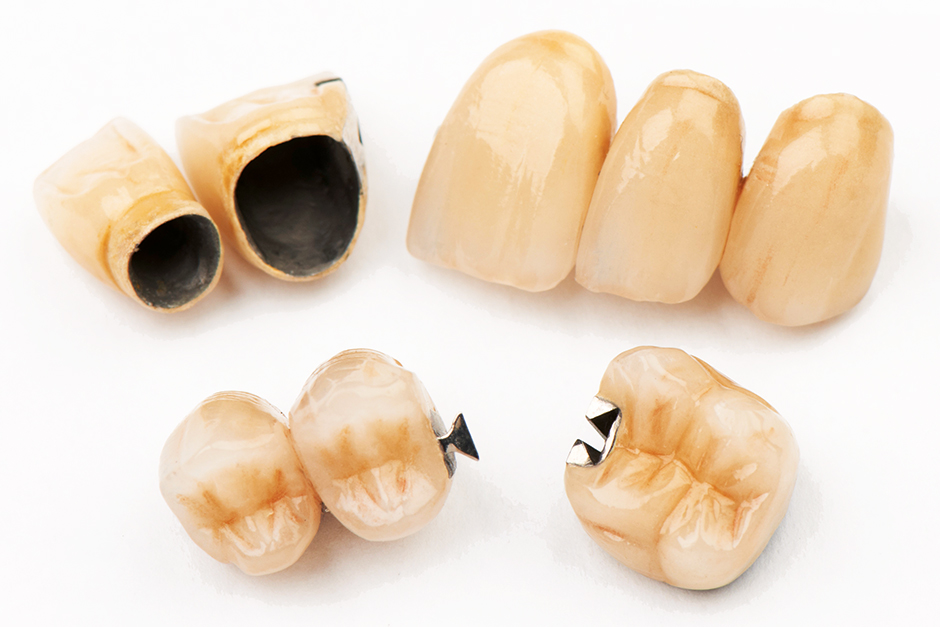
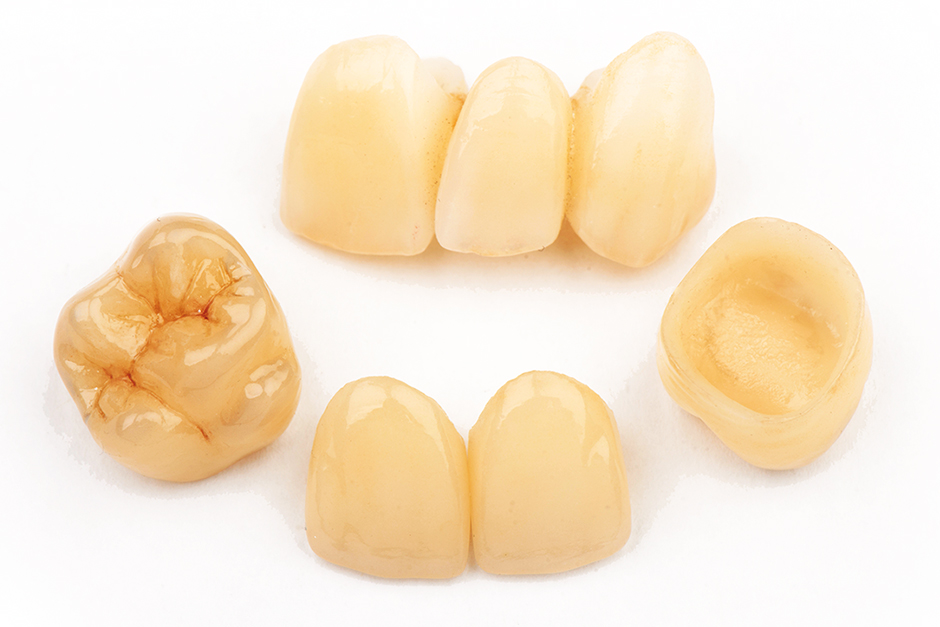
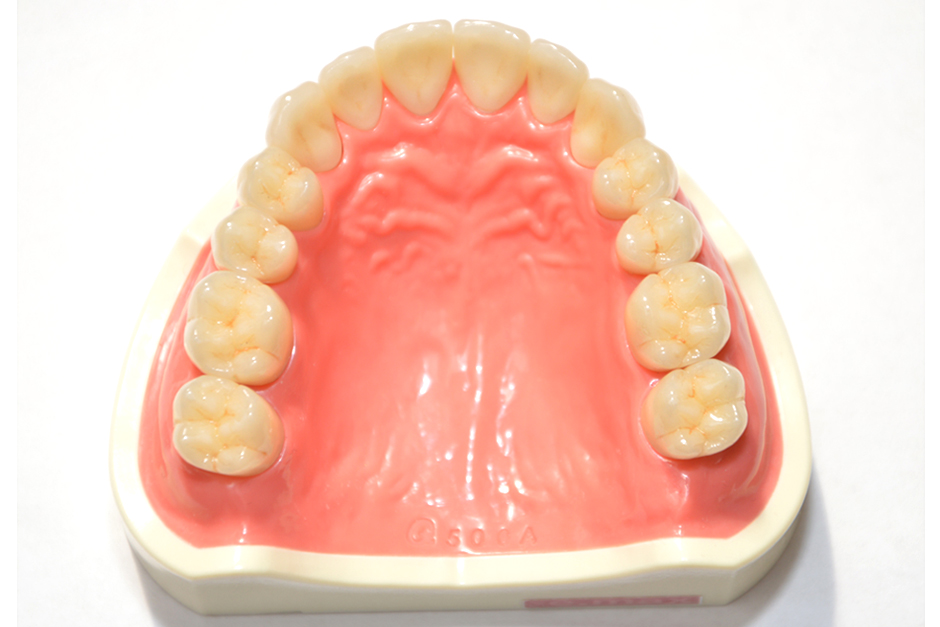
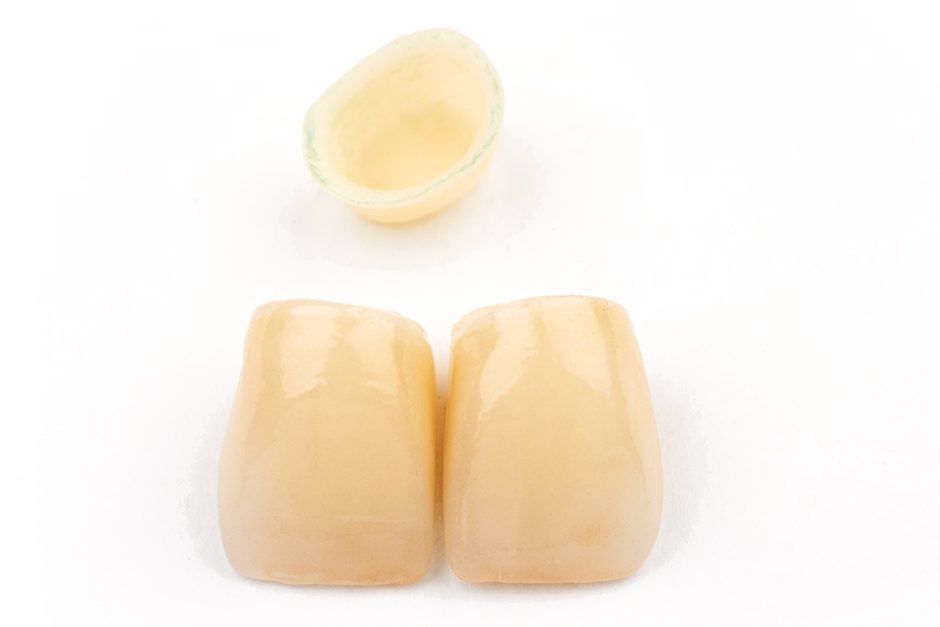
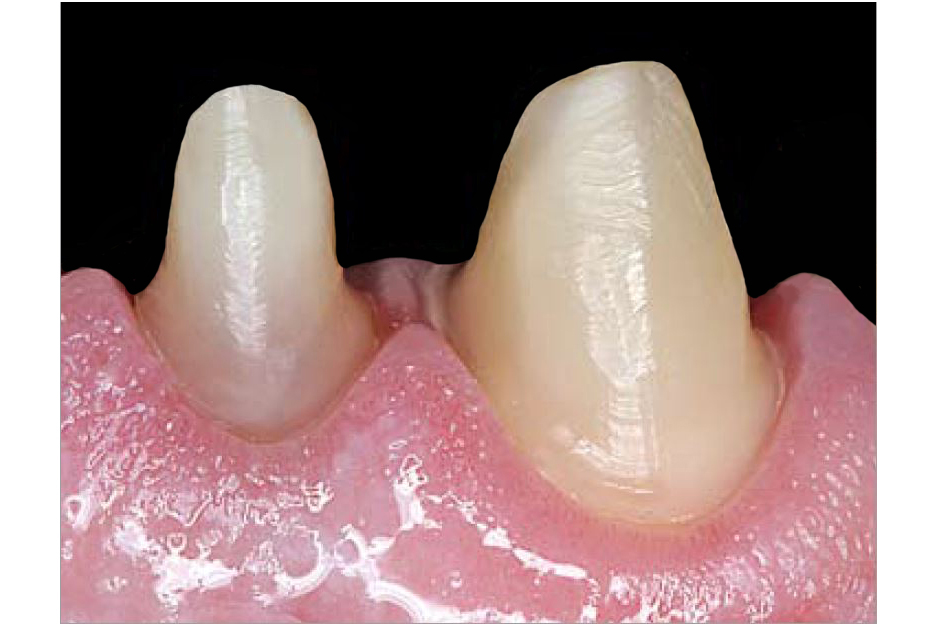
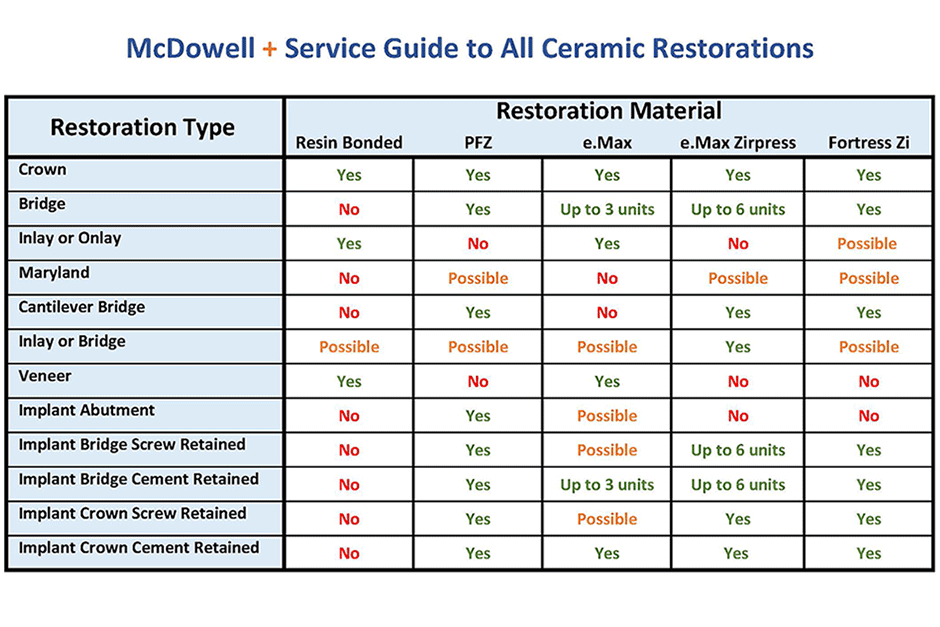
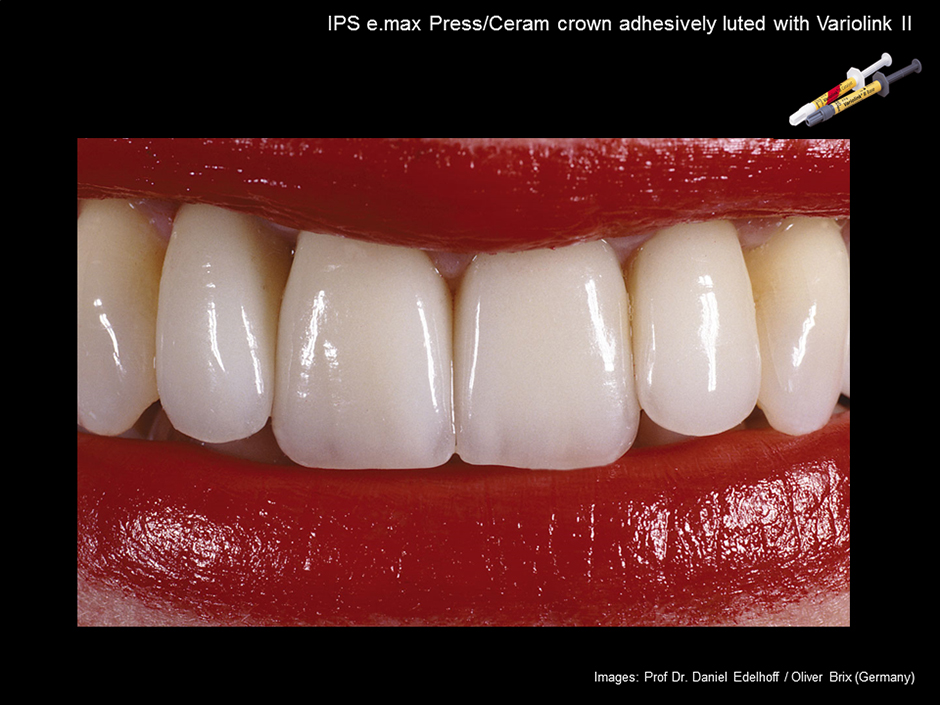
At McDowell + Service, we combine over several decades of technical expertise with advanced digital manufacturing to produce restorations that deliver exceptional fit, function and natural aesthetics. From a single all-ceramic crown to complex implant-supported rehabilitations, every restoration is designed and manufactured by our experienced team of GDC-registered Dental Technicians.Our Crown & Bridge department offers a comprehensive range of restorations including monolithic zirconia, layered ceramics, lithium disilicate (e.max), porcelain-fused-to-metal, full cast restorations, veneers, Maryland bridges and implant prosthetics. With CAD/CAM design, in-house milling and the latest manufacturing techniques, we maintain complete control over quality from start to finish.
Our ArtiZan zirconia range provides clinicians with a choice of high-strength, highly translucent and gradient zirconia solutions, combining precision, durability and outstanding aesthetics. For porcelain-fused-to-metal restorations, our ceramists continue to utilise the proven GC Initial ceramic system, enabling consistent shade reproduction and exceptional aesthetic results.
By combining skilled craftsmanship, innovative digital workflows and premium materials, we work in partnership with clinicians to create restorations that inspire confidence for both dentist and patient.
Restoration Types
Technical Information
FAQS
The Future of Zirconia is Here ArtiZan; Zirconia, Evolved
ArtiZan is our advanced monolithic zirconia solution offering unparalleled performance across a full range of indications. From single crowns to multi-unit bridges and implant restorations, ArtiZan sets a new standard.
Why Choose ArtiZan?
1 Supreme strength ranging from 630MPa to 1370MPa (depending on formulation)
2 Superior aesthetics — achieve lifelike results with our range of translucencies and layered options
3 Comprehensive solutions — one material, endless possibilities
Zirconia High Strength “The Workhorse”
Ideal For Posterior Single Crowns
Anterior Crowns Requiring Increased Opacity
Robust Multi-Unit Bridges The go-to choice when strength is paramount
Zirconia High Translucent “The Crowned Jewel”
For Your More Aesthetic Cases.
Excellent For Anterior Crowns, Small Span Bridges, Veneers.
When Increased Vitality is Needed.
Zirconia Graded Zirconia “The Versatile All Rounder”
Combines High Strength With Exceptional Aesthetics.
Perfect For Anterior Crowns, Small Span Bridges, Veneers, Bridges
Ideal For Monolithic Zirconia Implant Cases.
Zirconia Layered Porcelain “The Masterpiece”
A Zirconia Framework Layered With Highly Aesthetic Feldspathic Porcelain.
Suitable For Most Indications.
Our PFM restorations combine the proven aesthetics of GC Initial porcelain with a choice of high-quality silver palladium or non-precious alloy frameworks, delivering excellent fit, strength and natural aesthetics across a wide range of clinical indications.
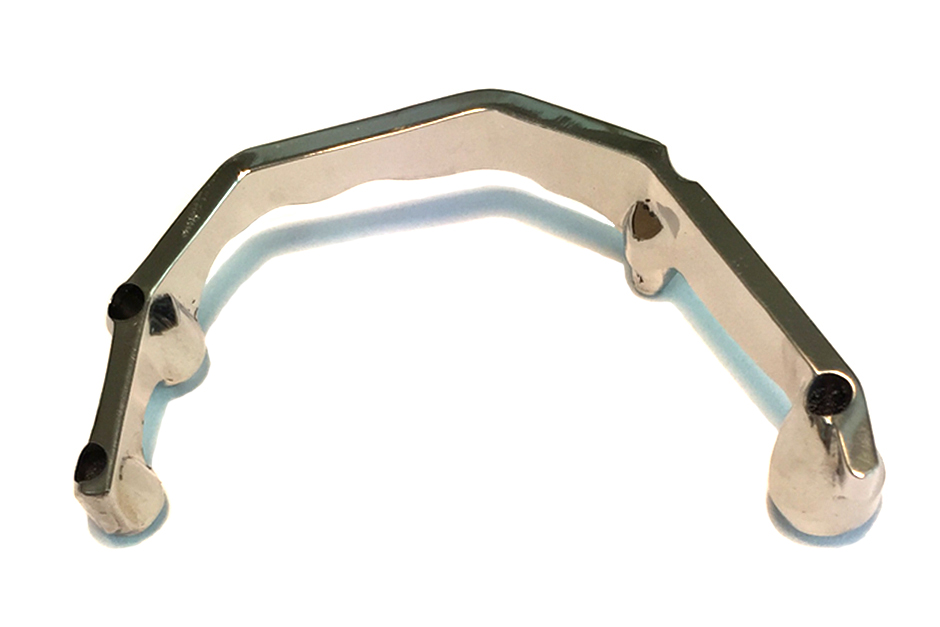
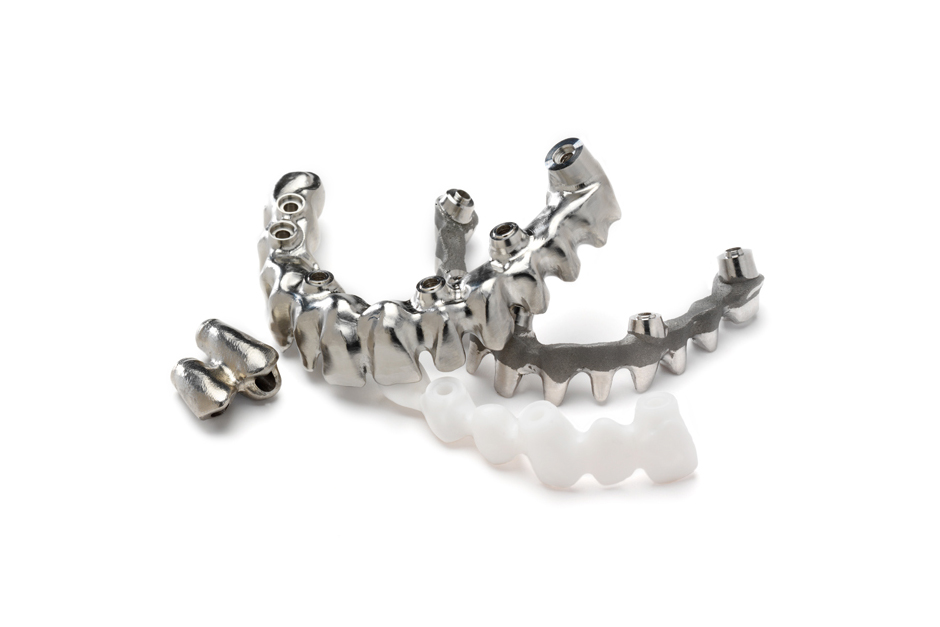
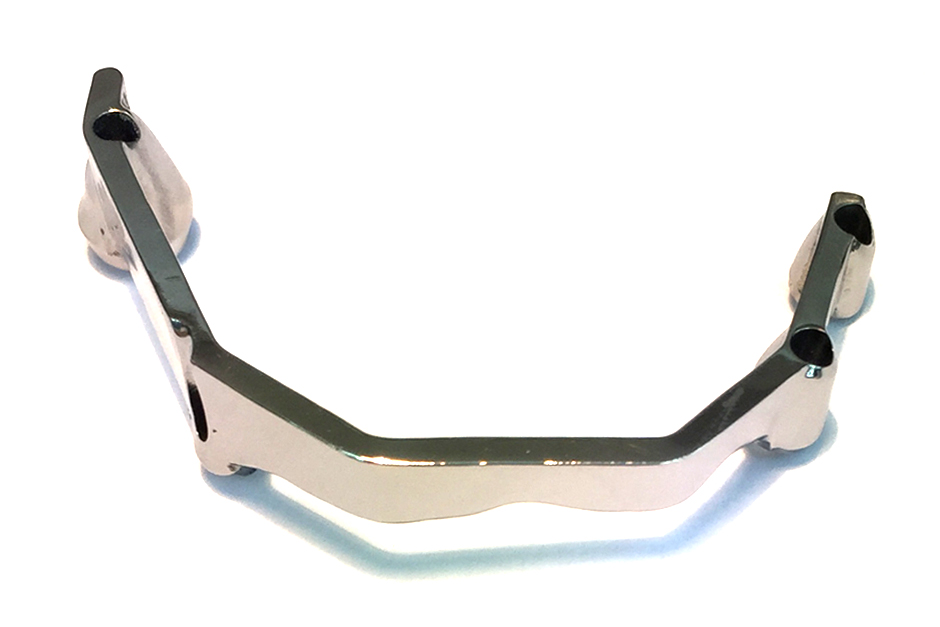
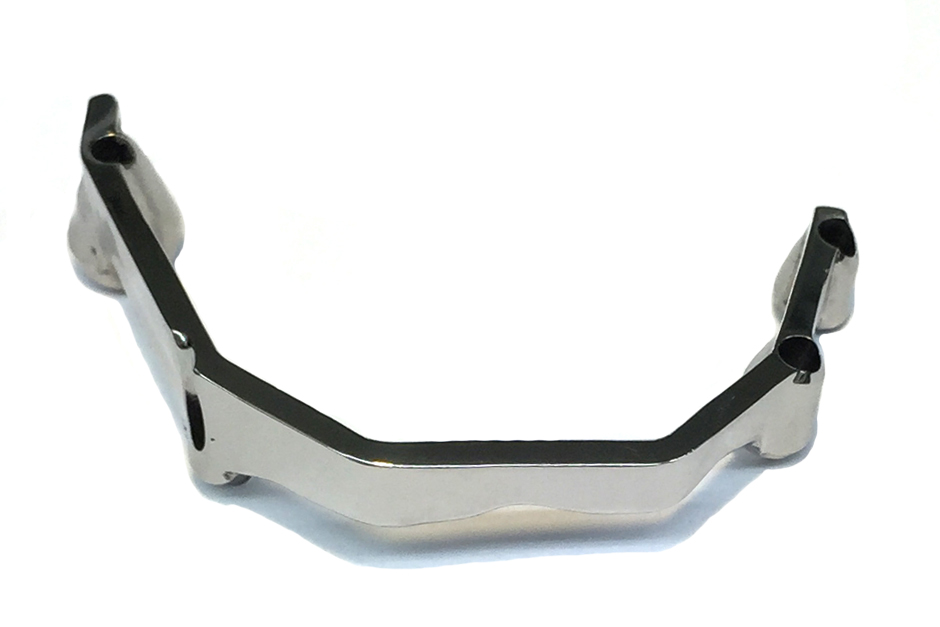
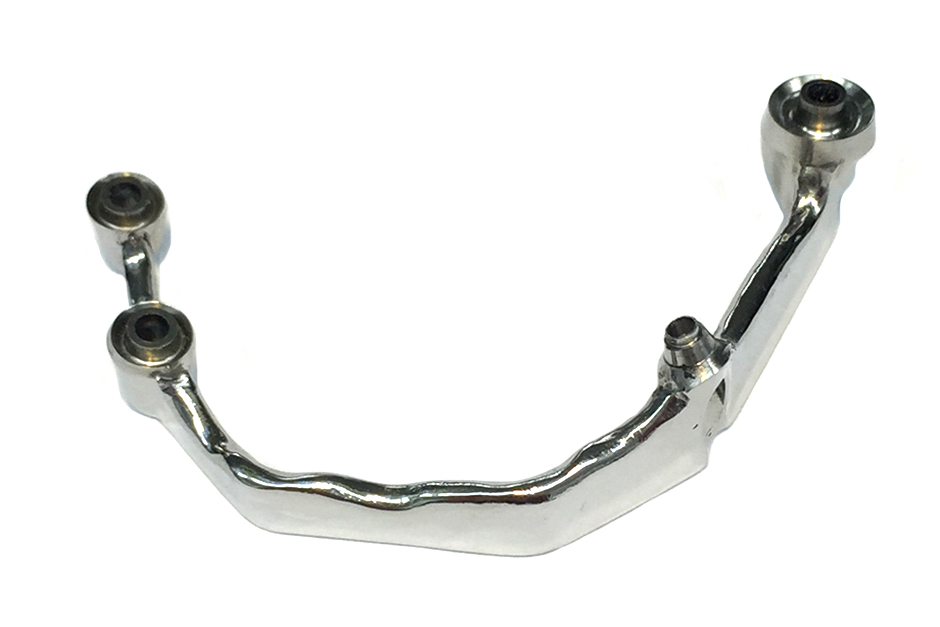
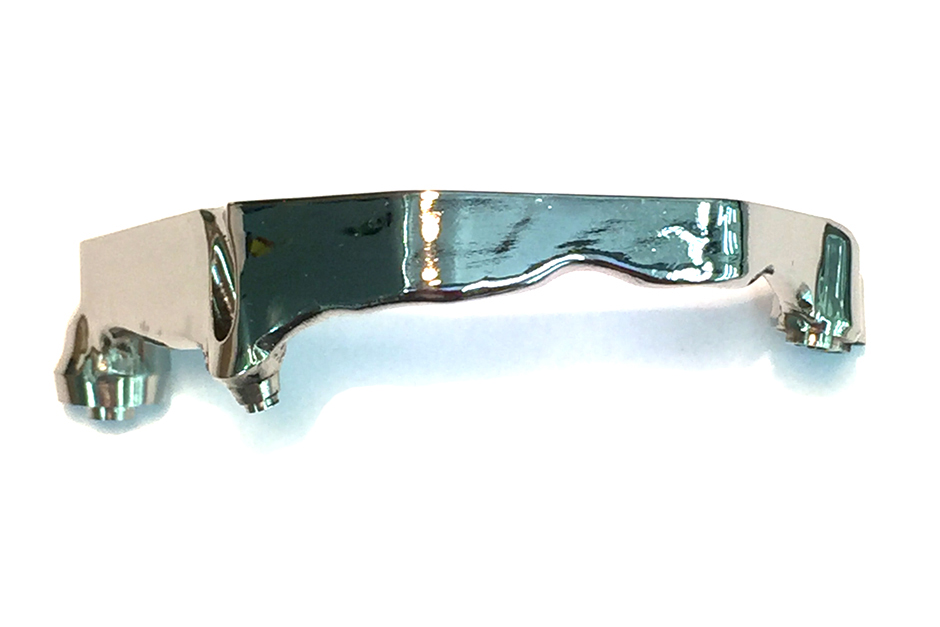
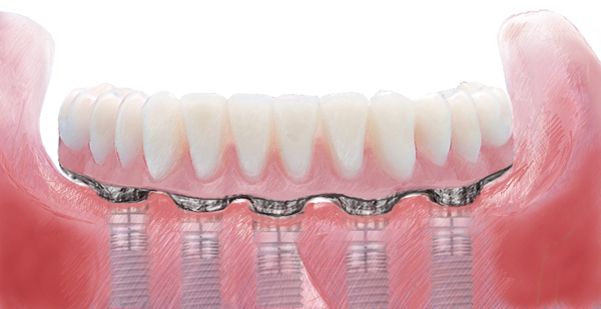
Maximum comfort with aesthetics, we offer a fixed solution for maximum comfort and high aesthetics. With McDowell + Service you receive the precision needed for the success and longevity of your restoration. We offer screw-retained implant bridges as well as implant bars for fixed prostheses.
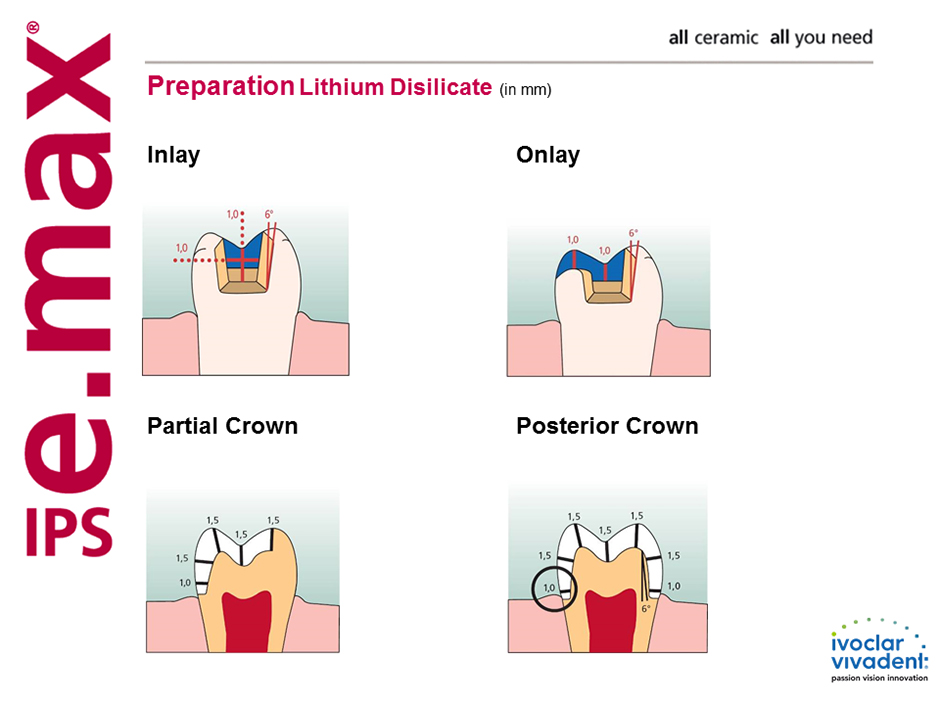
Moderate strength lithium disilicate glass ceramic (LS2) featuring a flexural strength of up to 530MPa. Excellent aesthetics and optional customisation. Veneers, inlays/onlays, partial crowns/full crowns, three unit bridges up to the second premolar. Available in all vita shades including 4 bleach shades with varying translucencies/opacities available. NOTE; NO cantilever bridges, Maryland bridges or bridges over 3 units.
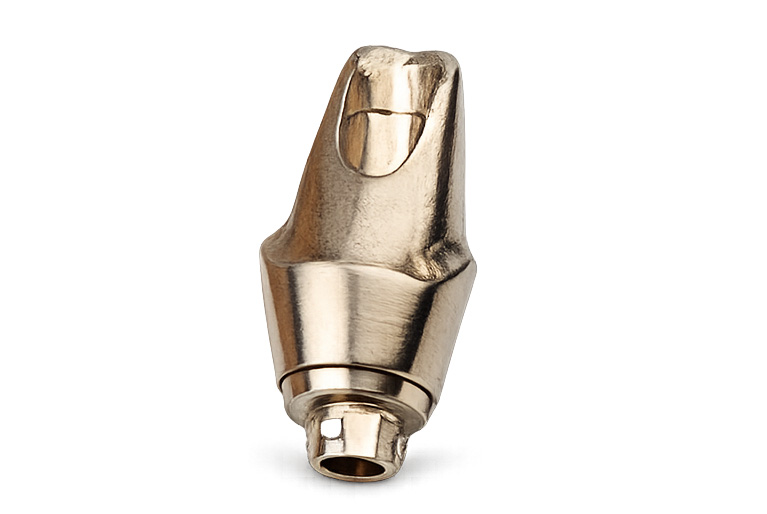
Titanium’s resilience, biological and chemical inertness and low weight makes it ideal for all dental restorations, from porcelain bonded to titanium crowns and bridges, removable partial dentures to implant bars and abutments.
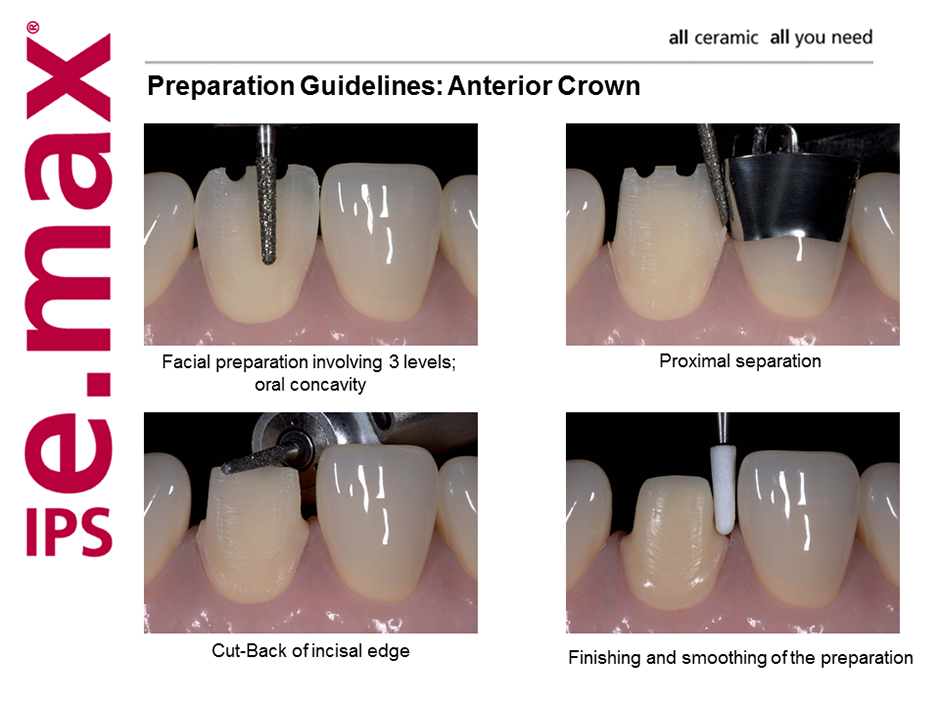
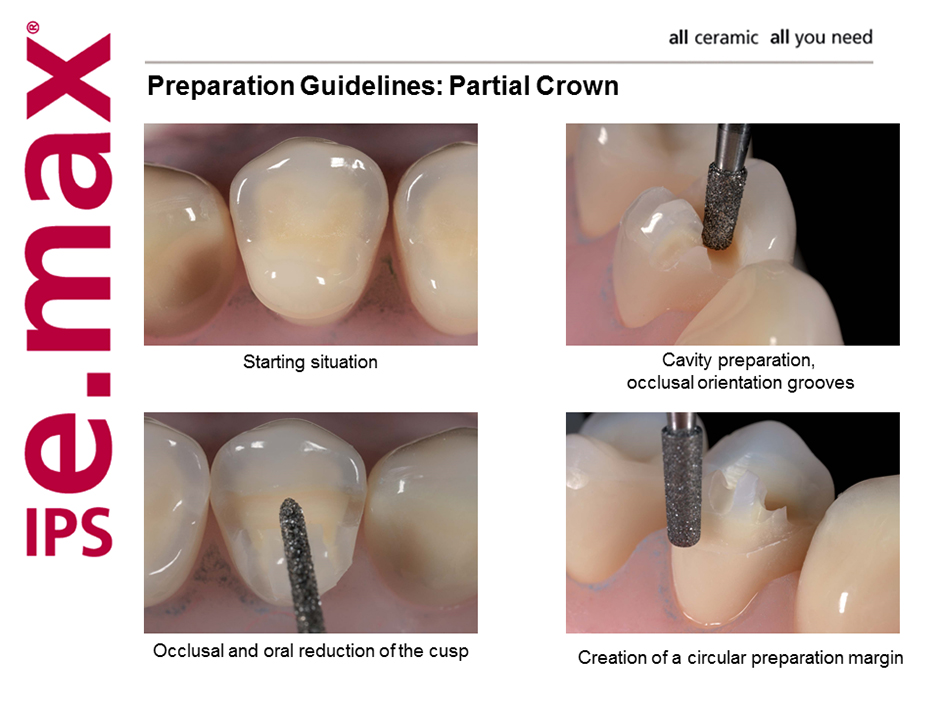
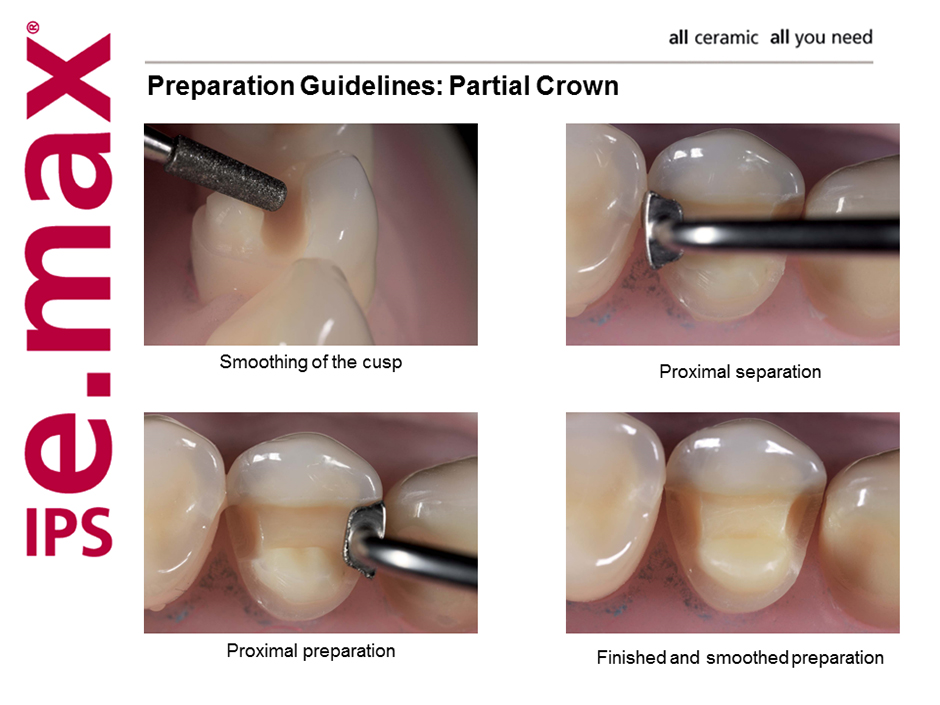
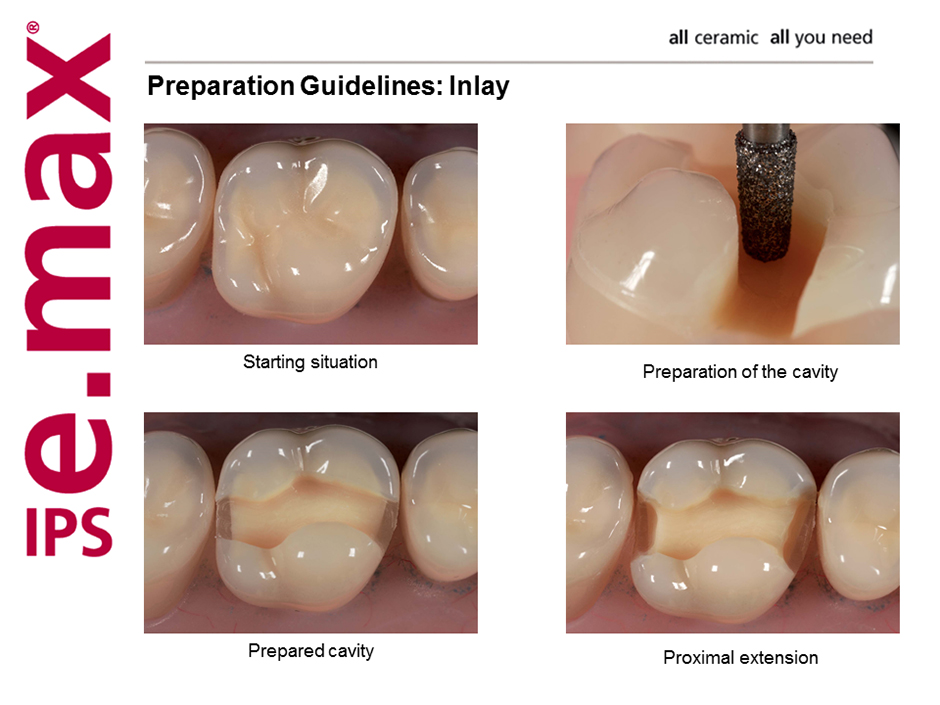
All Ceramic Tooth Preparation Guide
A Guide to All Ceramic Applications.
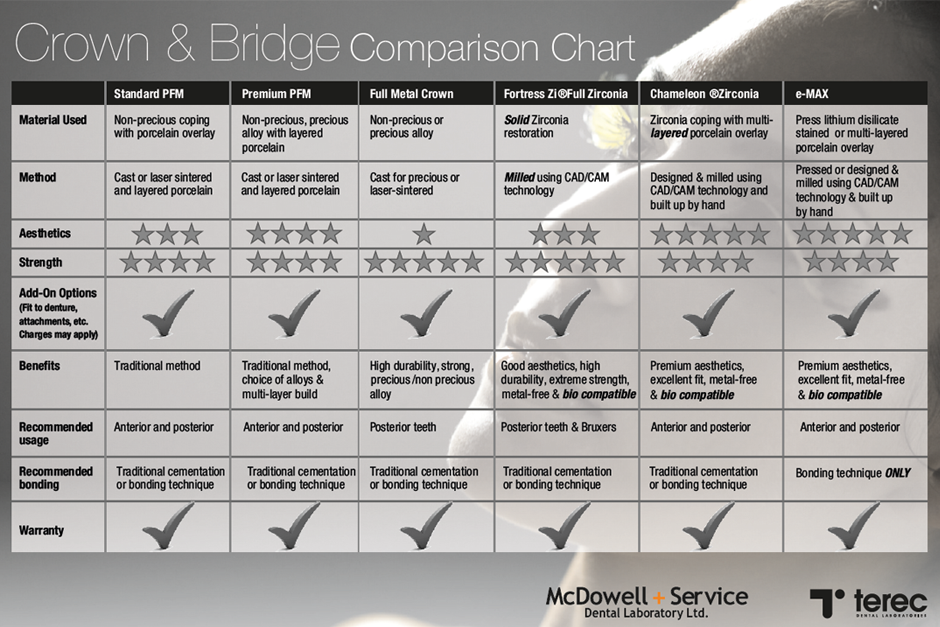
Crown Bridge Restoration Comparison Chart.
All Ceramic Tooth Preparation Guide.pdf
A Guide to All Ceramic Applications.pdf
Crown & Bridge Restoration Comparison Chart.pdf
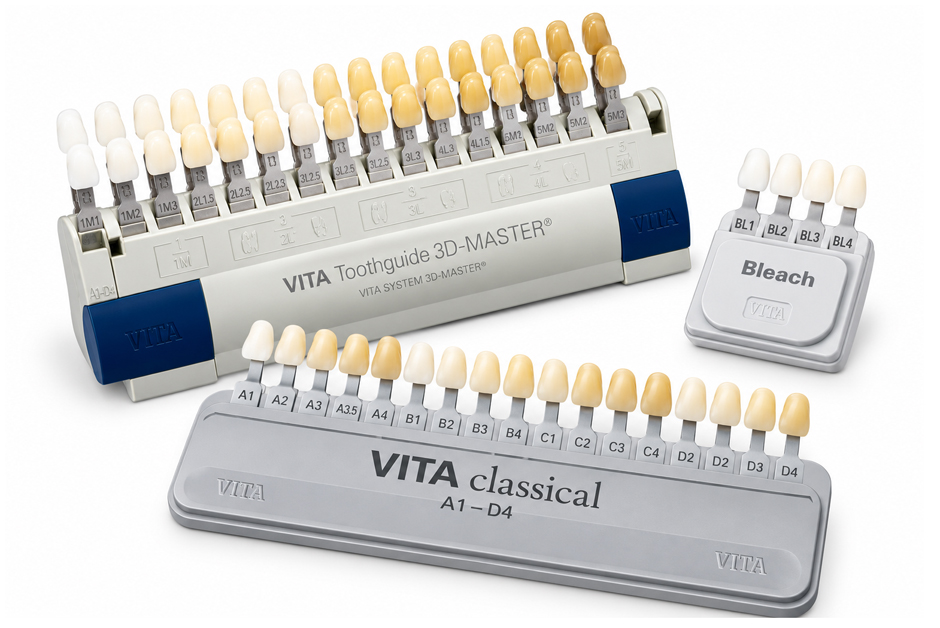
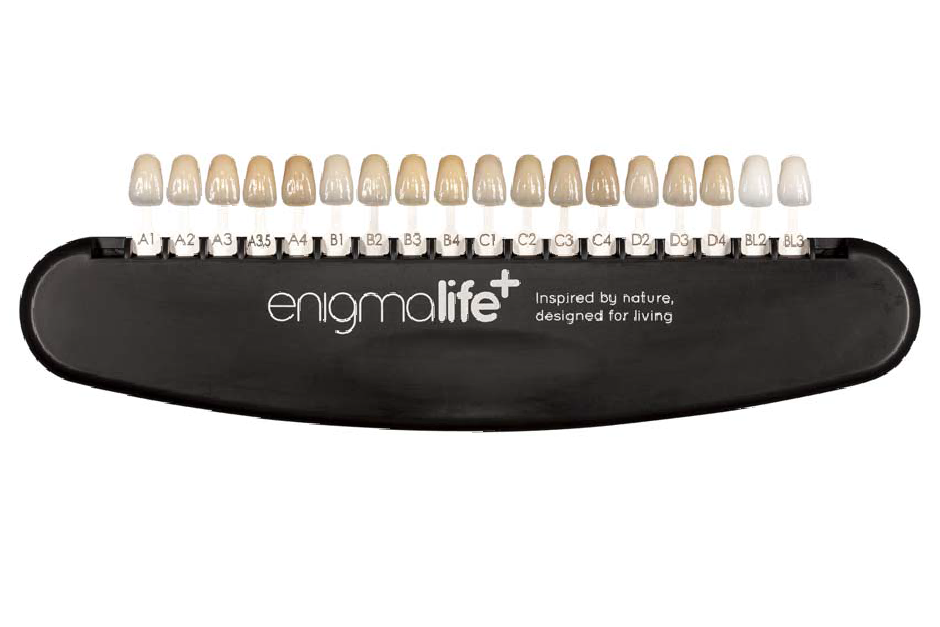
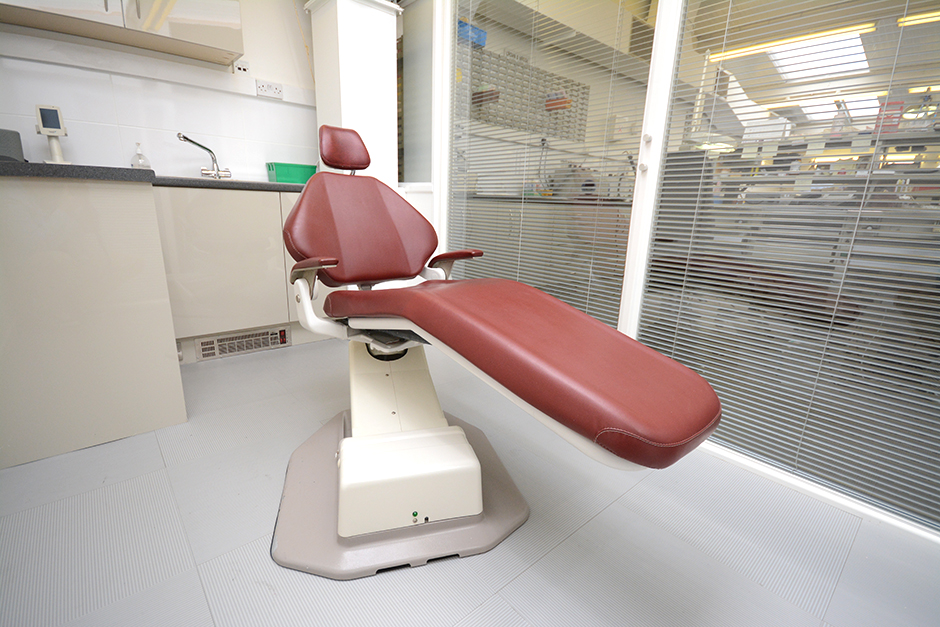
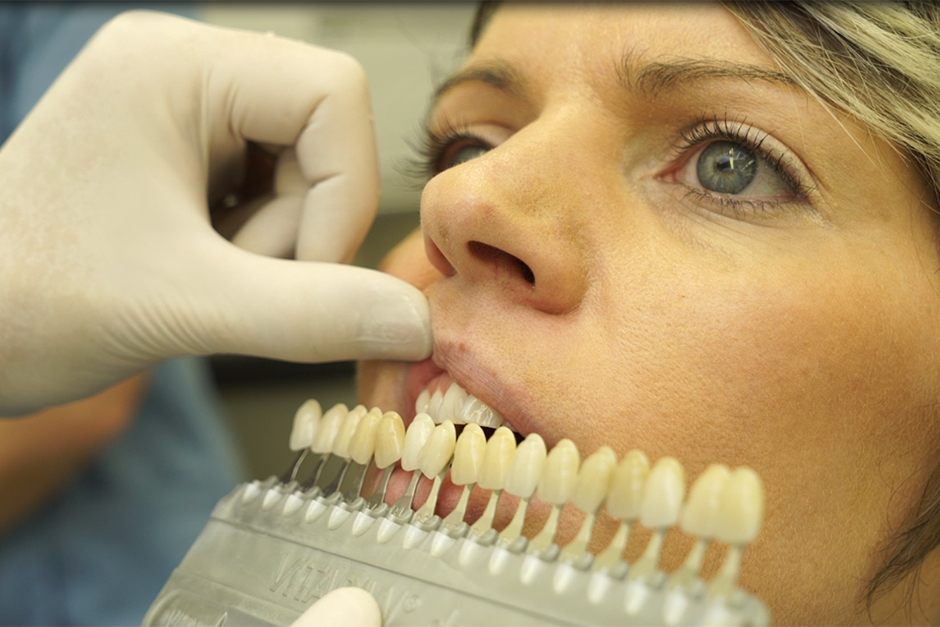
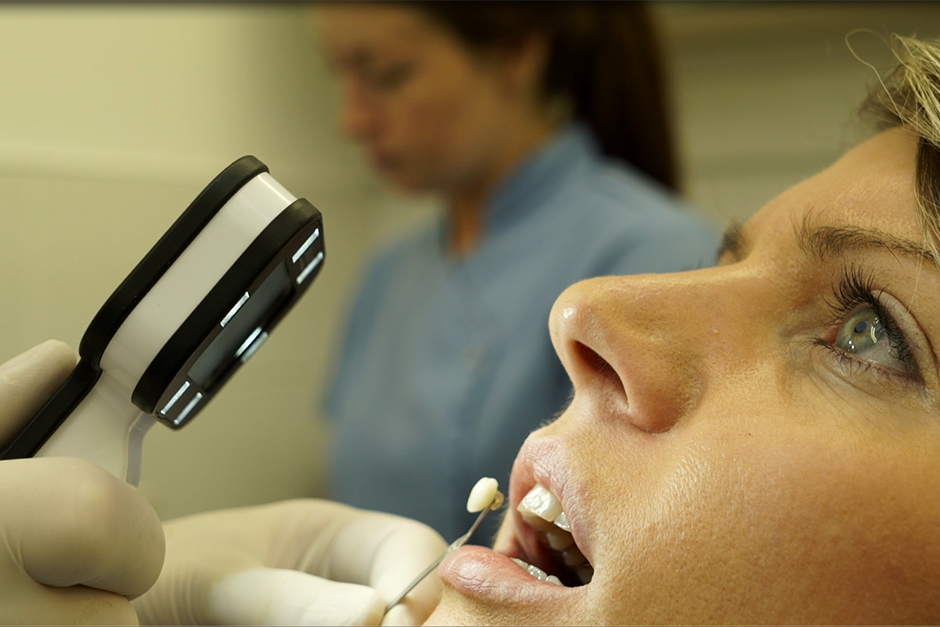
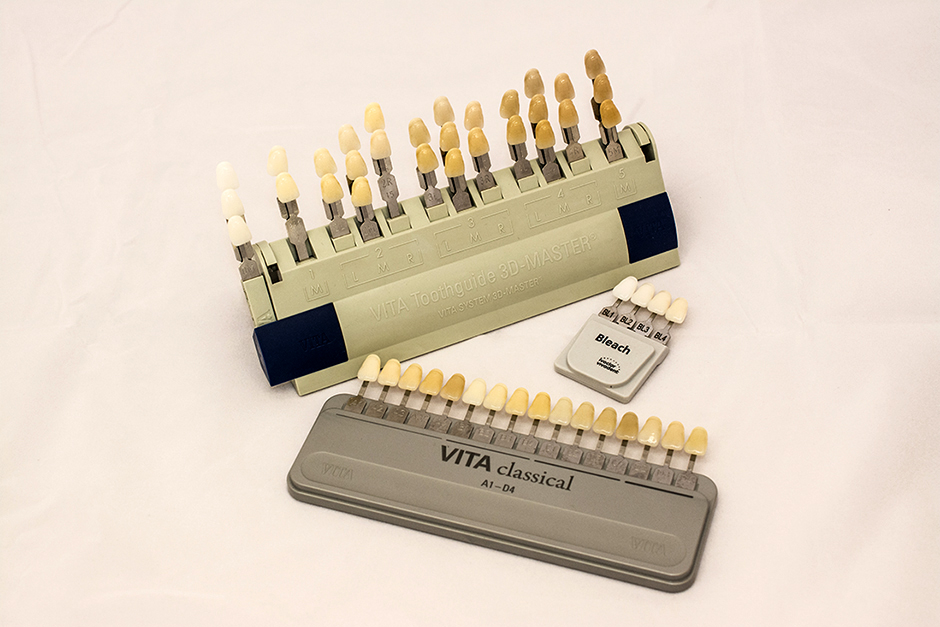
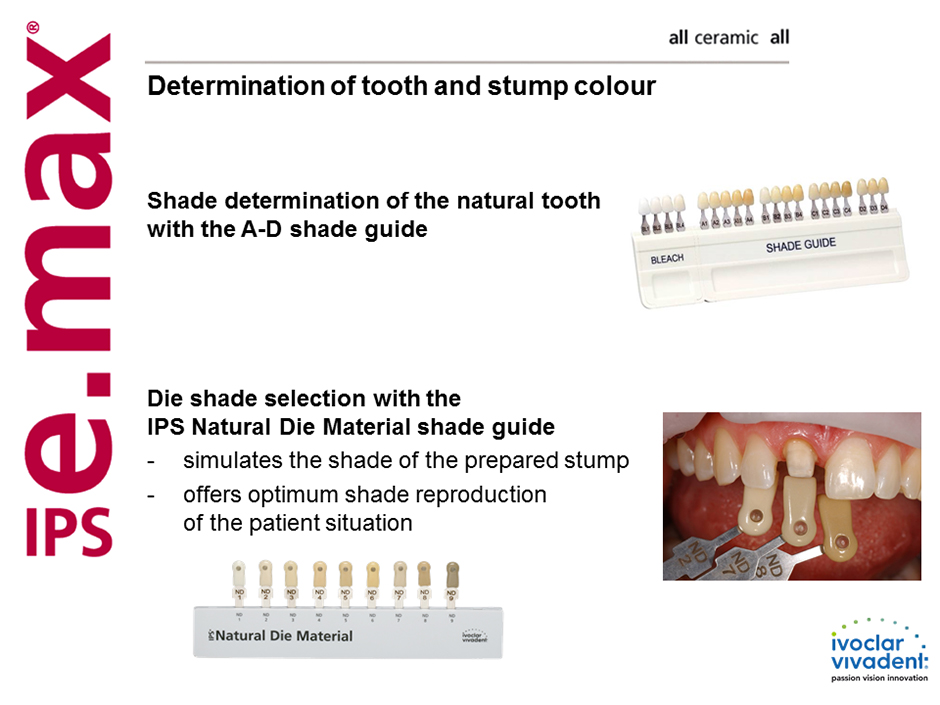
Achieving the ideal shade is essential to creating a natural-looking restoration. At McDowell + Service, we offer a dedicated shade-taking service in our purpose-built consultation room, providing a relaxed environment for the patient.Using the MHT SpectroShade digital shade analysis system alongside conventional VITA shade guides and Smile Line colour-correcting lighting, our experienced technicians accurately assess and record tooth shade, helping to achieve predictable, aesthetic results.
To arrange a shade consultation, please contact our reception team to book an appointment.
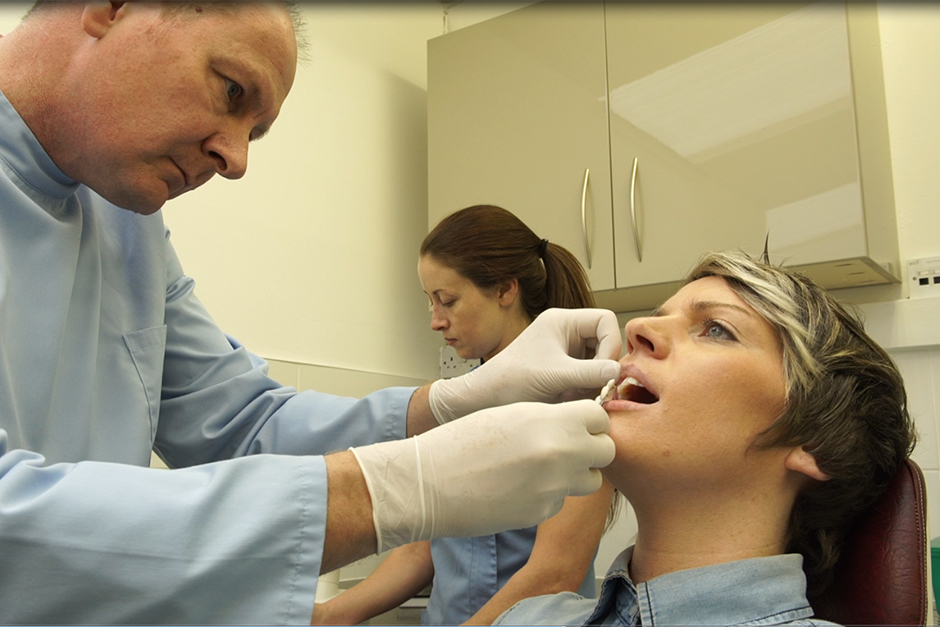
We have a surgery area where patients can been seen by our senior technicians.
Personalised tooth positioning with resulting improved lip support are essential for life-like denture appearance and this can be achieved when the technician sees the patient.
Following these guidelines will help ensure the long-term success of your restorations and allow us to deliver the exceptional quality you and your patients deserve.
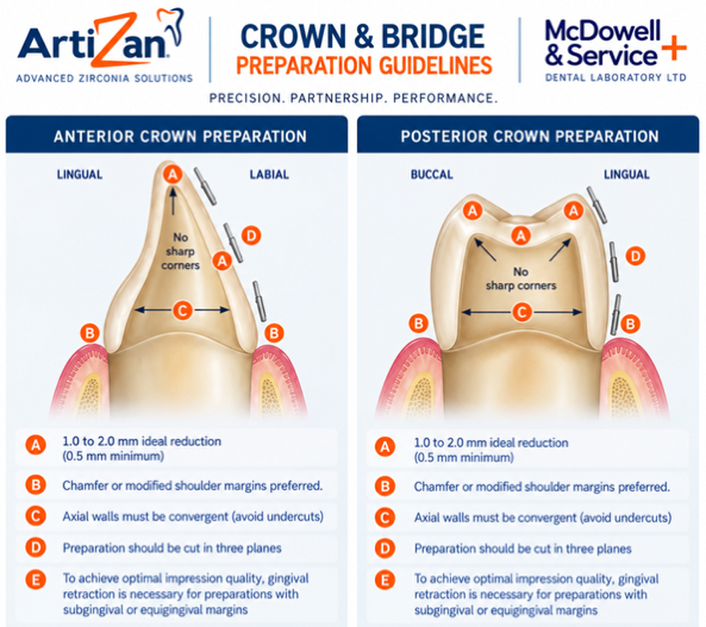
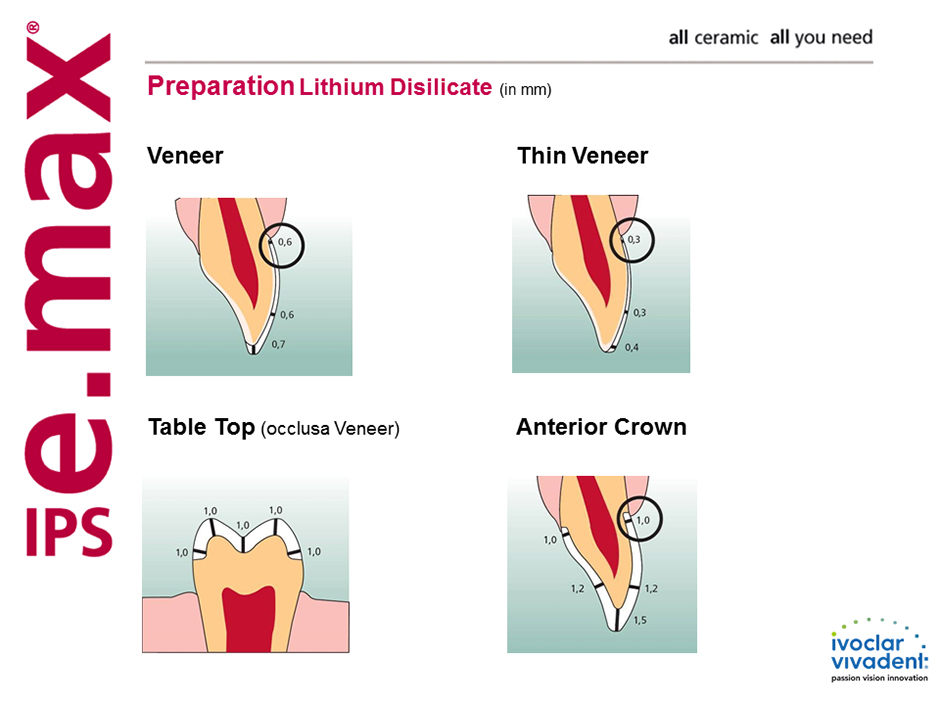
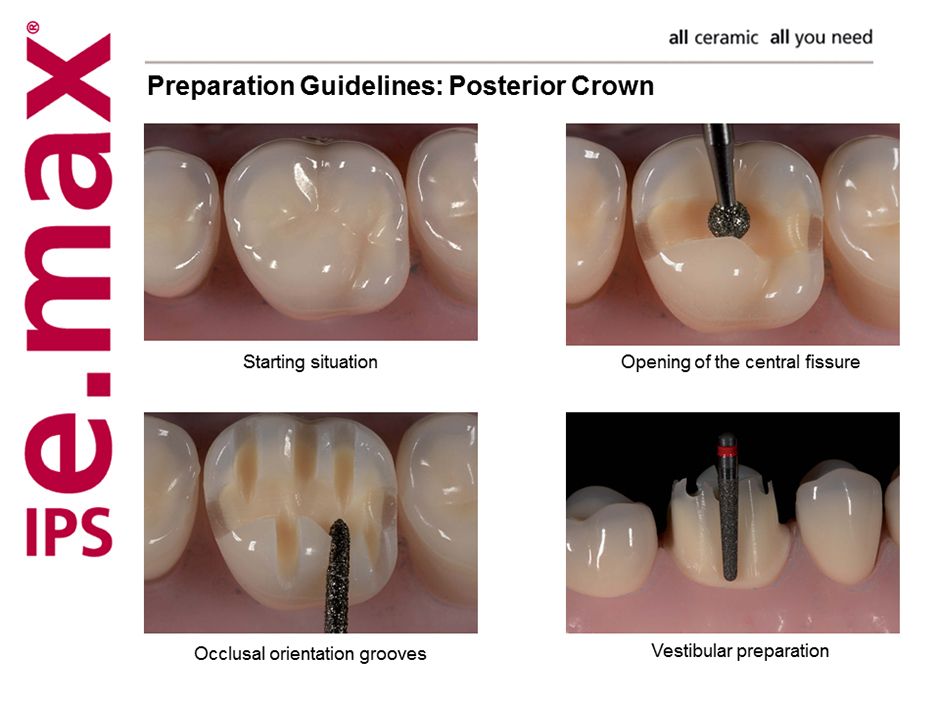
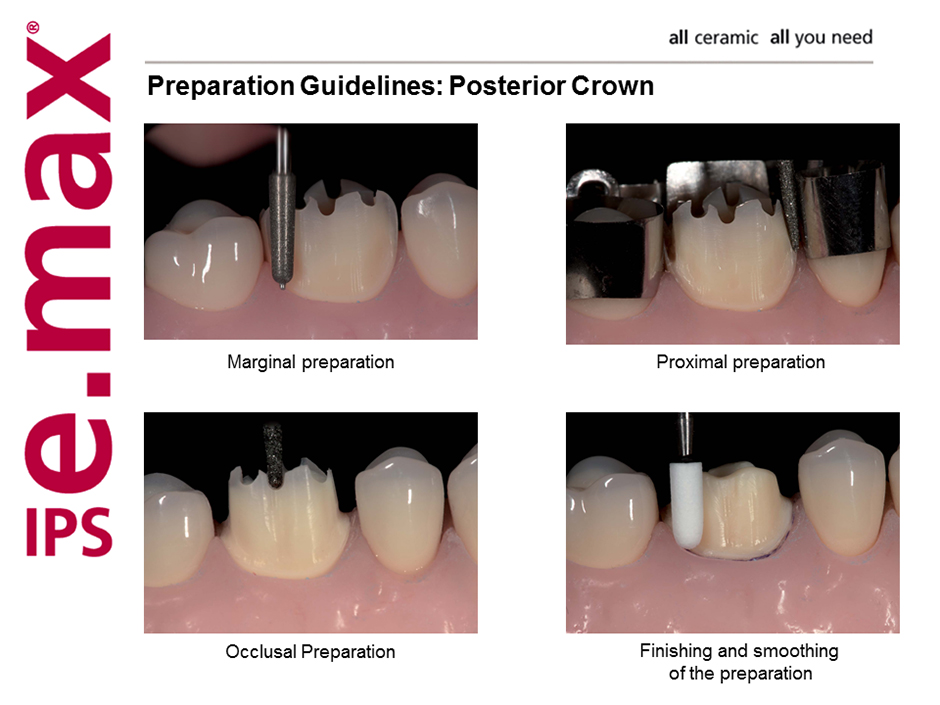
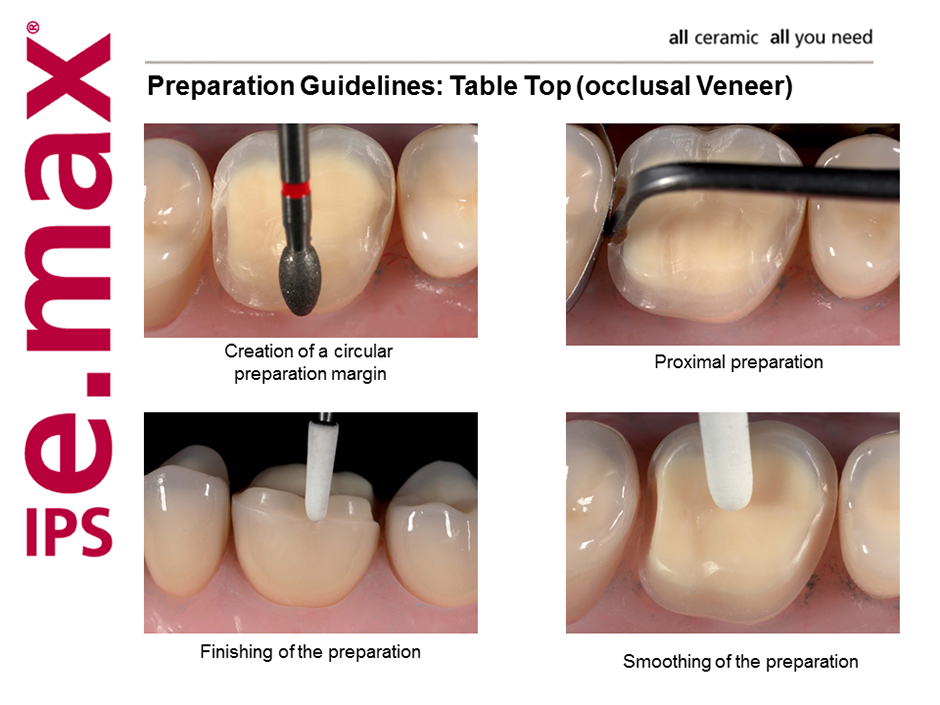
For posterior crowns, a minimum occlusal reduction of 0.8 mm is essential to provide adequate zirconia thickness, helping to maintain strength and minimise the risk of fracture.


ArtiZan LP Layered Zirconia restorations, including crowns, bridges, veneers, inlays and onlays, have been developed to provide an exceptional combination of aesthetics, strength, reliability and biocompatibility.
Zirconia is a metal-free, highly translucent material that can provide a more natural appearance than traditional metal-bonded porcelain restorations, helping to avoid the dark line sometimes associated with metal margins at the gumline.
Zirconia is also highly biocompatible and has been used extensively in medical and dental applications. Its excellent tissue compatibility makes it an ideal material for restorations positioned close to the gingival tissues.
ArtiZan LP Layered Zirconia restorations offer exceptional strength and durability, with a flexural strength of over 1200 MPa. Each restoration is designed and milled using advanced CAD/CAM technology before being expertly hand-finished by Terec’s skilled dental technicians.
Unrivalled in natural beauty, strength and fit.
ArtiZan Monolithic Zirconia restorations, including crowns, bridges, inlays and onlays, have been specifically developed to meet the demands of high-load posterior situations.
Combining strength with aesthetics, they are particularly well suited to patients who grind or clench their teeth, as well as cases where there is insufficient occlusal space for a conventional porcelain-layered restoration.
ArtiZan Monolithic Zirconia restorations are manufactured from a solid block of medical-grade monolithic zirconia. With no porcelain overlay, the restoration is hard-sintered to achieve a flexural strength of up to 1100 MPa, providing exceptional resistance to fracture.
They are an excellent solution for cases with tight or minimal clearance. Because no porcelain layer is required, restorations can accommodate an occlusal reduction of as little as 0.7 mm — significantly less than that required for many conventional PFM or layered zirconia restorations.
Every restoration is designed using advanced CAD/CAM technology, allowing us to work from both digital impression files and traditional impressions and models. Advanced manufacturing technology enables highly accurate contacts, excellent fit and predictable seating.
Monolithic Zirconia also offers excellent translucency and, without a metal substructure, provides a more natural aesthetic than metal occlusal or full-cast restorations. Following milling, each restoration is glazed to create a smooth, plaque-resistant surface.
Biocompatible, strong and durable, ArtiZan Monolithic Zirconia provides a reliable aesthetic solution for demanding posterior cases.
Strong and aesthetic — eliminating unsightly metal occlusals.
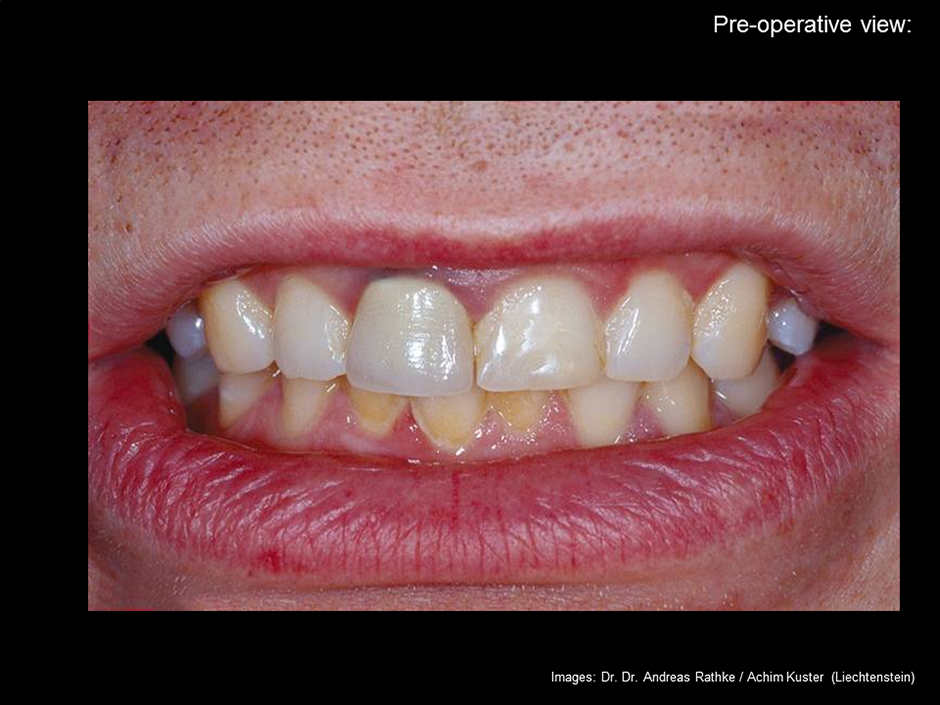
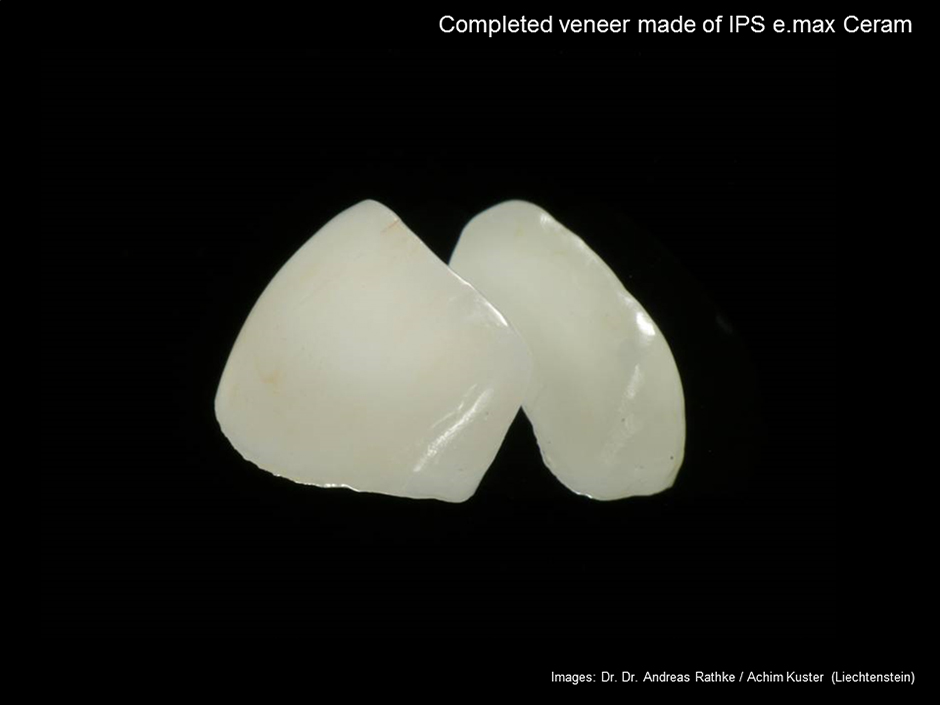
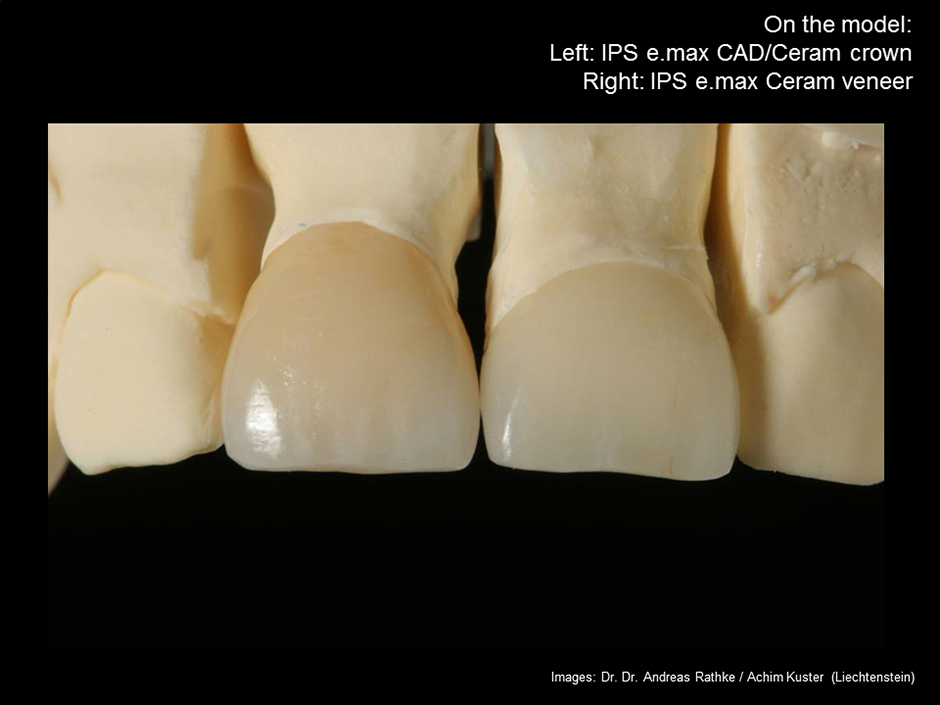
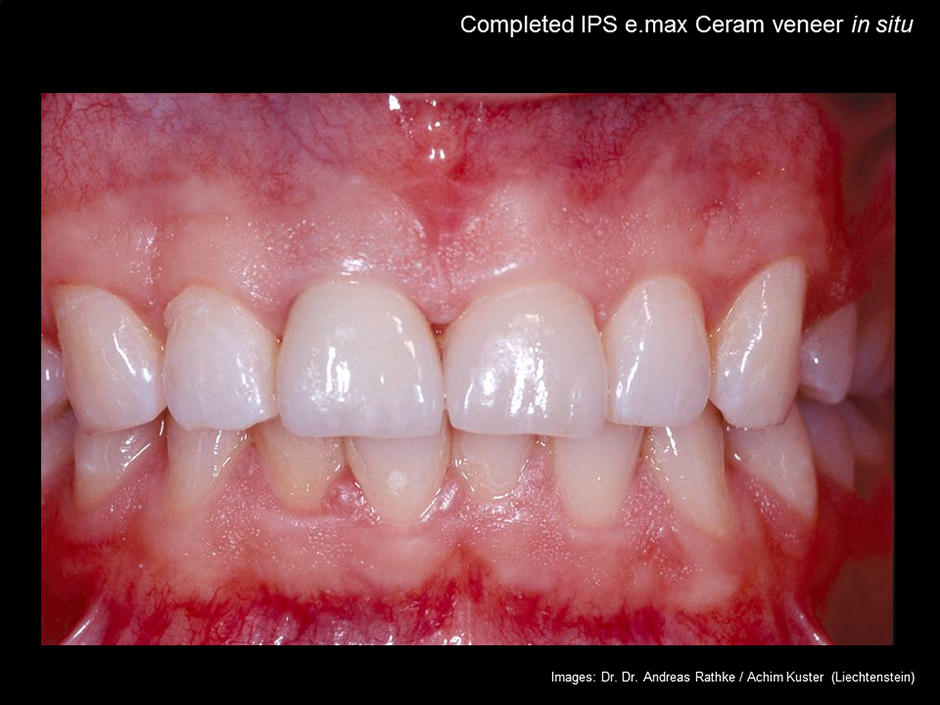
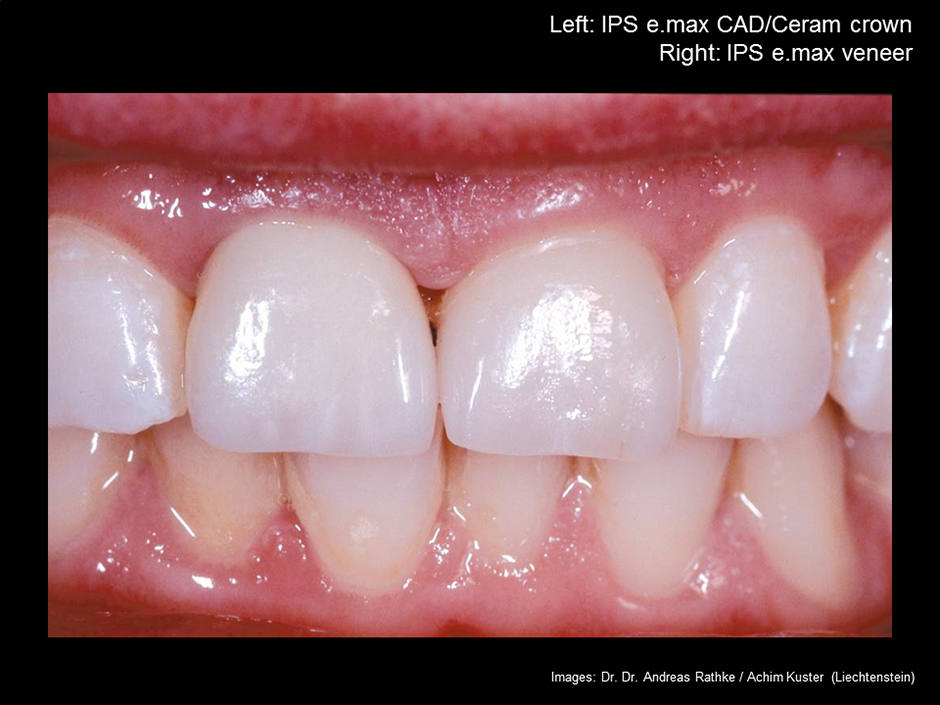
Porcelain veneers have become one of the most popular cosmetic solutions for improving the appearance of anterior teeth.
This minimally invasive technique can replicate the appearance of natural enamel while preserving as much healthy tooth structure as possible. Veneers can be used successfully to address a wide range of aesthetic concerns, including:
• Worn or aged appearance
• Discoloured teeth, including tetracycline staining and hypoplasia
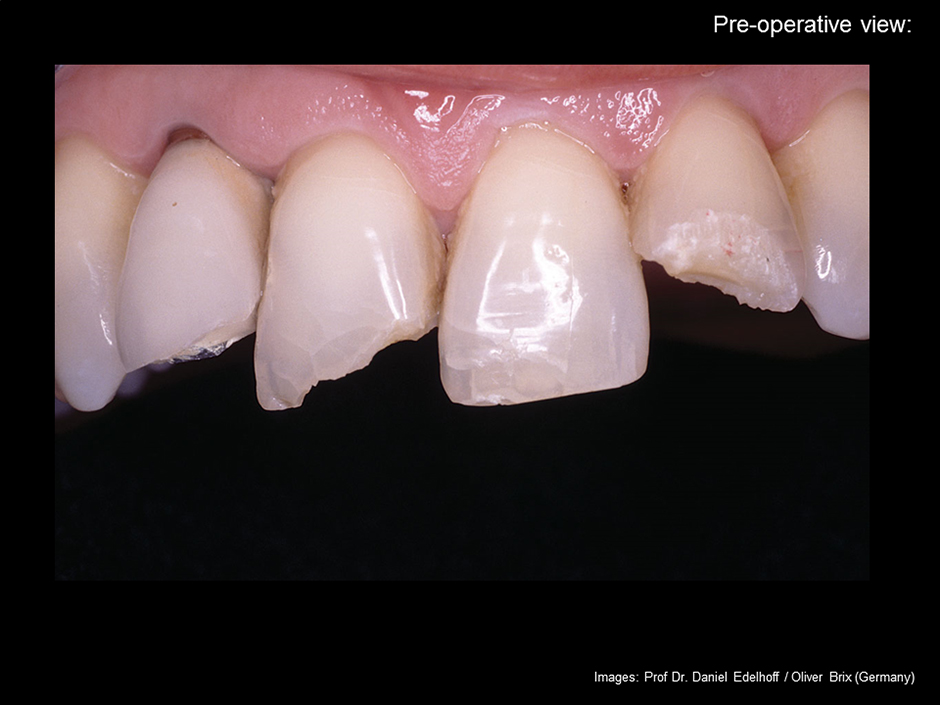
• Chipped or fractured teeth
• Peg laterals
• Misaligned teeth
• Partially erupted teeth
• Median diastema and space closure
• Covering eroded palatal enamel
• In most cases, no anaesthetic is required
• Minimal preparation, helping to preserve sound tooth structure
• Gingival integrity, with supra-gingival preparation margins providing excellent gingival response and tolerance
• Supports a high standard of oral hygiene
• No temporisation required
• Excellent strength, translucency and biocompatibility
Zirconia custom abutments provide an excellent aesthetic solution for both cement- and screw-retained implant prosthetics. They combine strength, precision and aesthetics and can be used throughout the mouth.
Zirconia abutments are compatible with most major implant platforms, giving clinicians the flexibility to select the most appropriate solution for each patient.
Using our advanced virtual abutment design software, we create individual zirconia abutments that are designed as part of the final tooth shape. This allows us to optimise both function and aesthetics while simplifying the restorative procedure and potentially reducing chair time.
Custom zirconia abutments can also eliminate the need to maintain an inventory of stock abutments while providing a predictable, fixed-cost solution without the use of precious metals.
The CAD design and manufacture of zirconia abutments allows precise control over emergence profiles, angles and paths of insertion. The highly polished zirconia collar provides excellent soft-tissue compatibility and contributes to an exceptional aesthetic result for both single and multiple-unit cases.
We provide fully customised ArtiZan LP Zirconia abutments, complete with the appropriate implant screw and finished zirconia crown.
A highly aesthetic solution for cement- and screw-retained implant prosthetics.
Our ArtiZan Zi crowns are made from isostatically pressed zirconia and once fully sintered, have a flexural strength of approximately 1350-1400 MPa. There is no risk of chipping as Zirconia crowns are not overlaid with veneering ceramic.
ArtiZan Zi crowns are ideally suited for posterior segments as an aesthetic alternative to unsightly metal occlusals. They are available in the full 16 Vita shade range. However, as the raw materials and manufacturing processes are improving constantly, it may be possible to place ArtiZan Zi crowns in the anterior region. (Please contact a technician for further information or see updates on this website).
Yes, from simple 2-unit cantilevers to multiple unit bridges are available in ArtiZan Zi. Crowns, inlays, onlays and implant restorations are also available.
To remove a pure Zirconia crown (and also lithium disilicate) can be difficult. However, there may be some methods that can make their removal a little easier.
1. Use zinc phosphate cement. Bonding techniques are not essential for zirconia or lithium disilicate crowns placed over adequately retentive tooth preparations.
2. Low cost, fine-grain diamond burs used at high speed with a very delicate sawing movement along with plenty of irrigation, is one of the more ideal ways to remove pure Zirconia and lithium disilicate crowns.
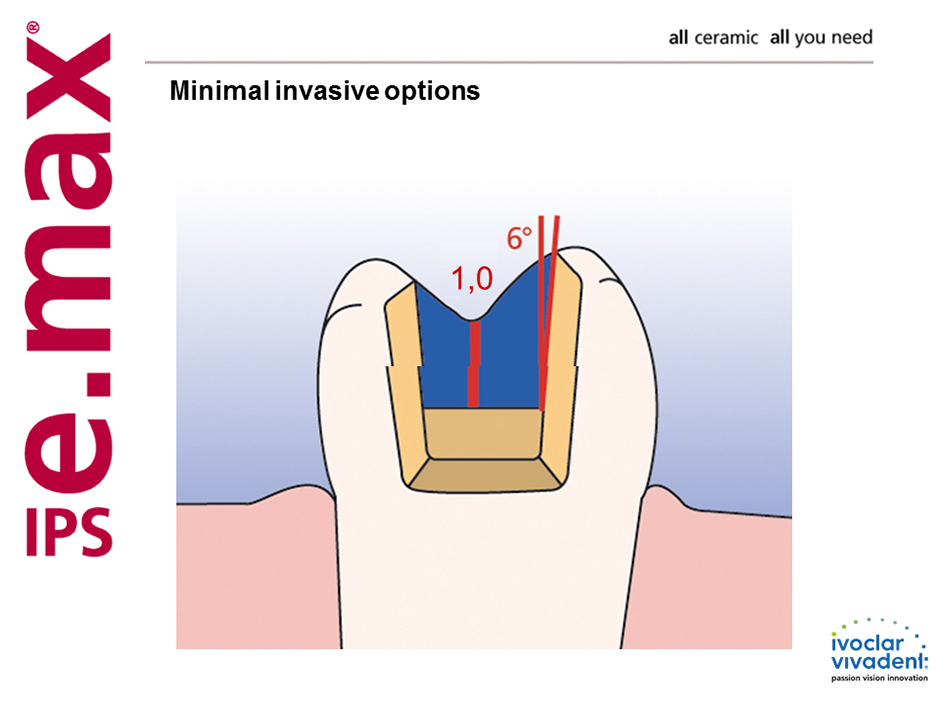
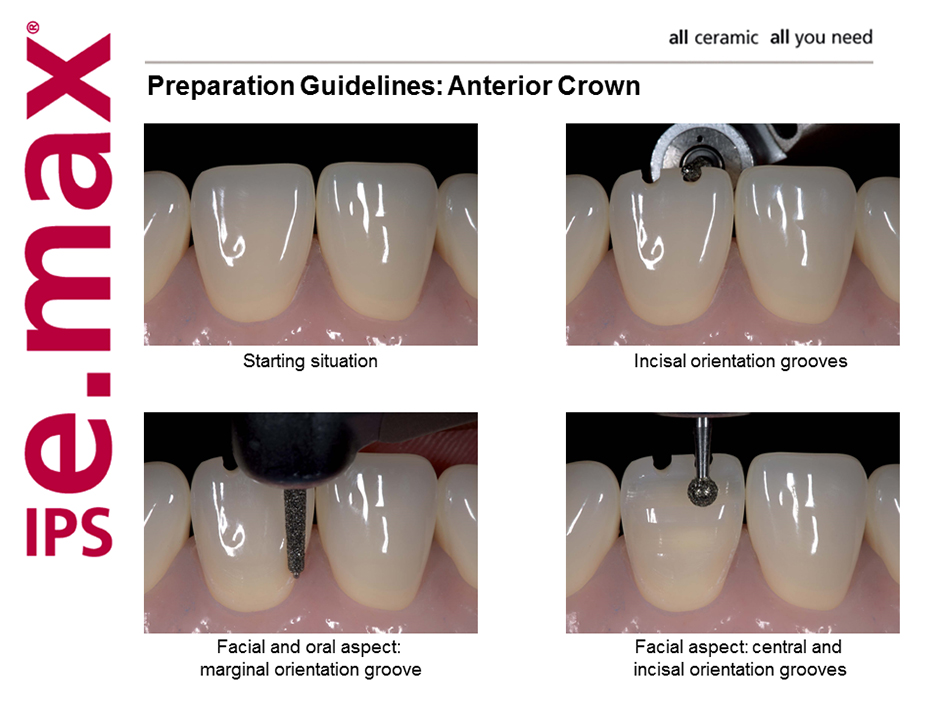
One advantage of this type of restoration is that the preparation can be slightly more conservative than other all-ceramic or even PFM restorations, with a preparation design similar to that of a full cast metal crown. Margin design should be 0.3-0.5mm chamfer. Avoid a ‘J’ like margin. Functional cusps should be reduced 1.0-1.5mm. Axial walls should taper 6-8 degrees achieving a depth of 1.0mm. Occlusal reduction 1.0-1.5mm on the central groove. AND avoid all sharp line angles as you would with any type of all ceramic tooth preparation.
ArtiZan LP Zirconia or PFZ is a metal free and highly translucent restoration, resulting in a more natural appearance than a PFM. Because ArtiZan LPZirconia restorations are made from Zirconia and overlaid with GC Initial Porcelain, both highly compatible materials which have been used in dental treatments for many years; thus can be placed next to tissue without any gum reaction.
From simple cantilevers to full arch multi-unit bridges can be achieved using ArtiZan LP Zirconia. However, a maximum pontic span in the anterior segment of four pontics is recommended.
It is recommended that a Maryland Bridge be constructed as a PFM because it is strong, proven and bondable. However, the problem is a PFM Maryland Bridge is often unaesthetic due the possible ‘shine through’ of the retaining wings. A porcelain fused to zirconia Maryland Bridge is possible and may require a little more tooth preparation than what is usual for a Maryland retainer but zirconia does not etch and there is a history of Zirconia Maryland Bridges de bonding.
For the latest information, please contact a technician.
Our special colour shading system and pre-shaded zirconia blanks combined with careful control of the processing operations guarantees the high quality and translucent splendour of ArtiZan LP Zirconia restorations.
Yes, the Zirconia blanks used have varying degrees of opacity through to translucency, depending on the situation.
All Zirconia framework are manufactured by CAD/CAM systems and as we use the industry Gold standard, 3shape software for design, various types of precision attachments are available with every software update. Therefore, split bridges, combination cases with extra coronal attachments, telescopic copings and much much more will be available very soon
Feldspathic ceramic is widely used for veneer restorations as well as resin bonded crowns and can be weak in thin sections until bonded into position and therefore, correct preparation technique is essential for a successful restoration.
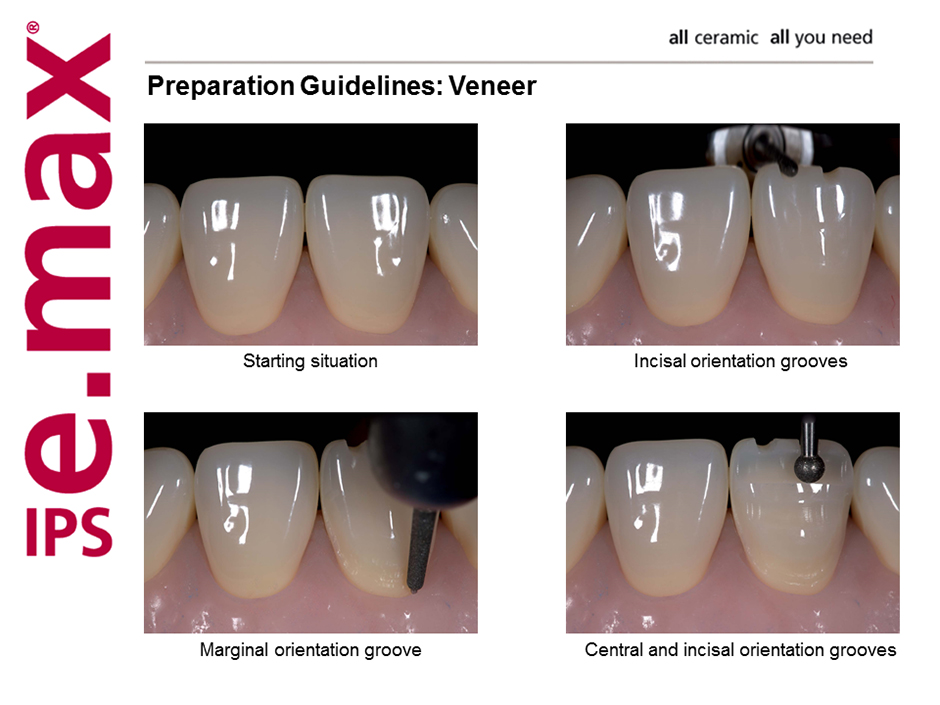
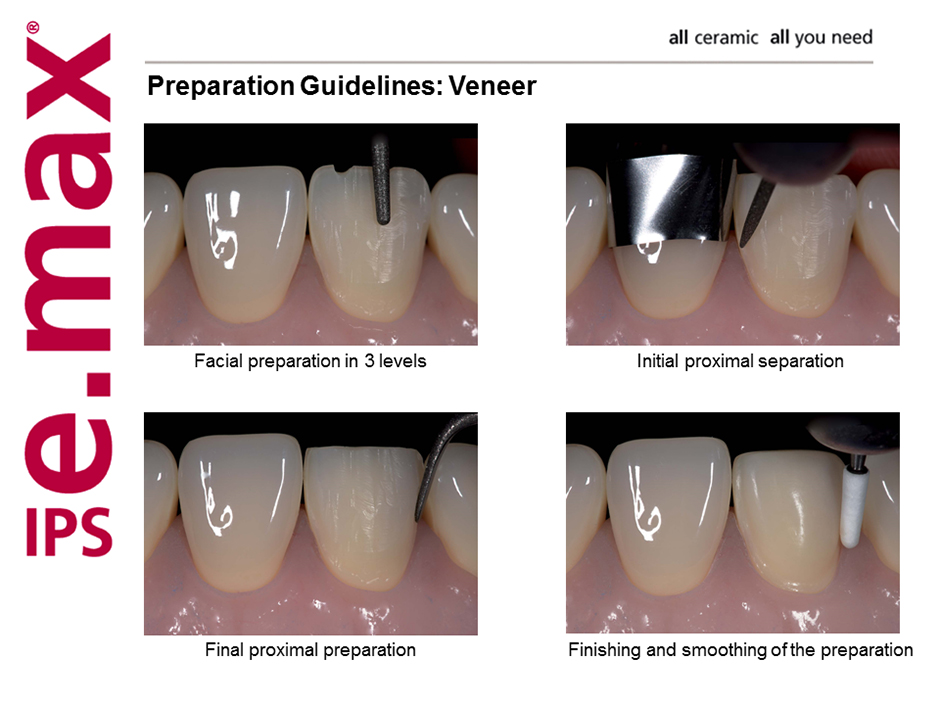
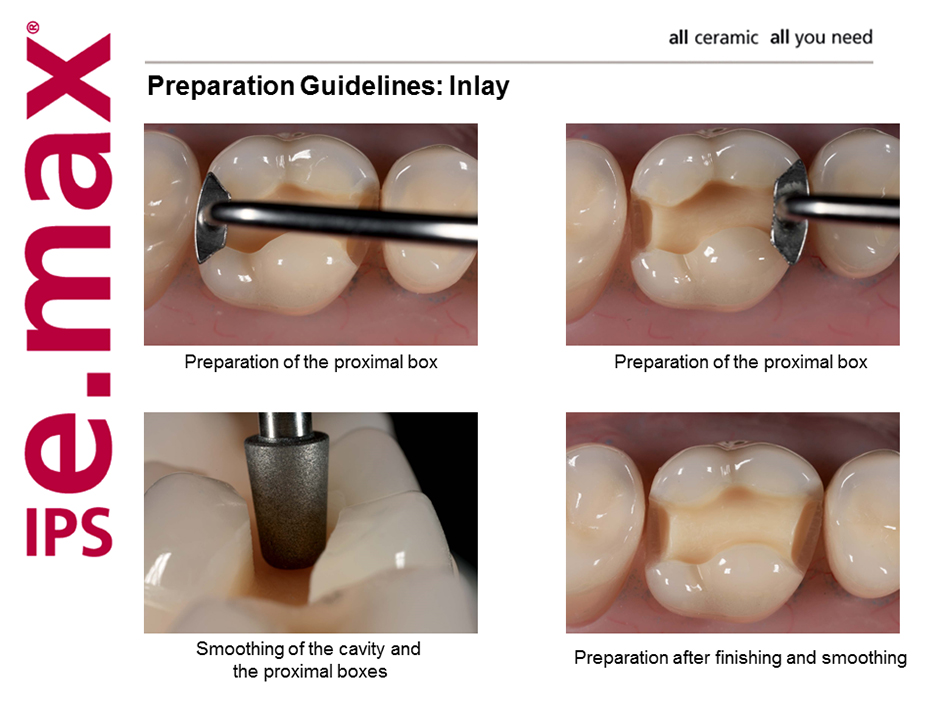
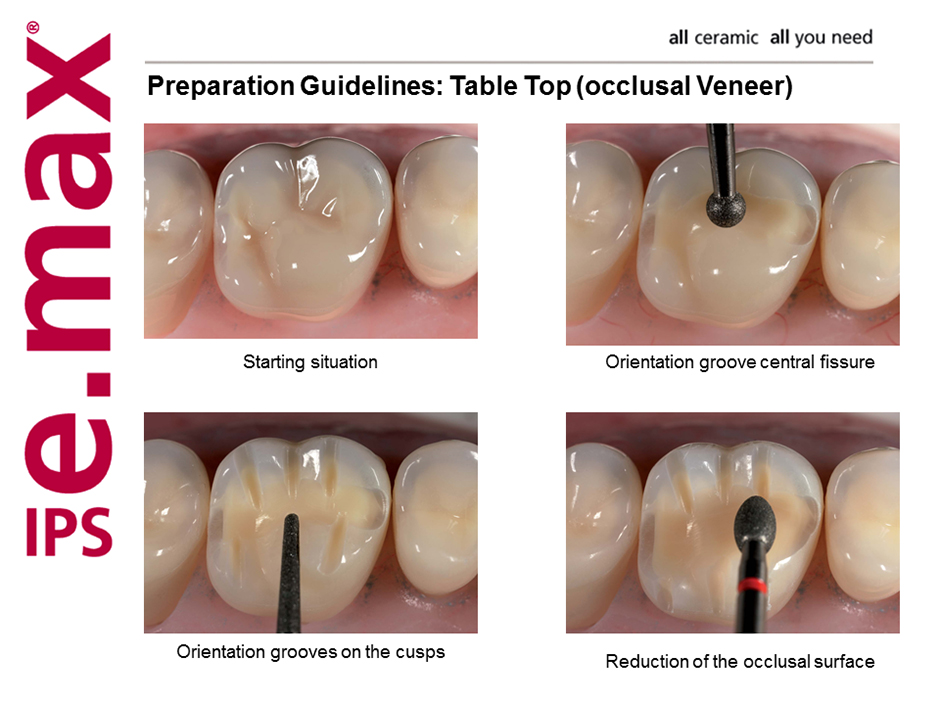
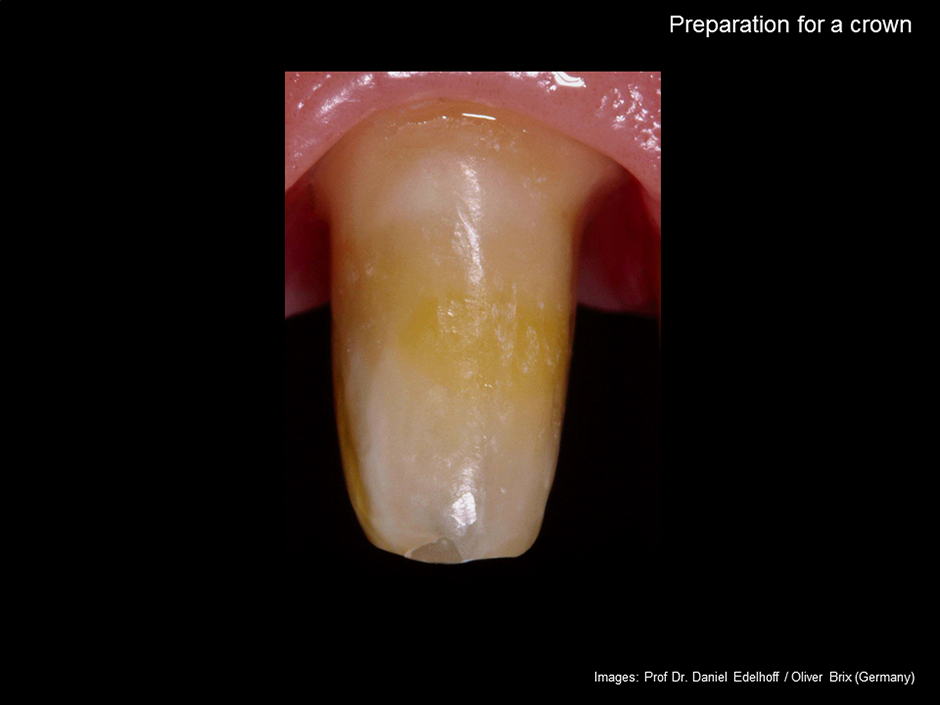
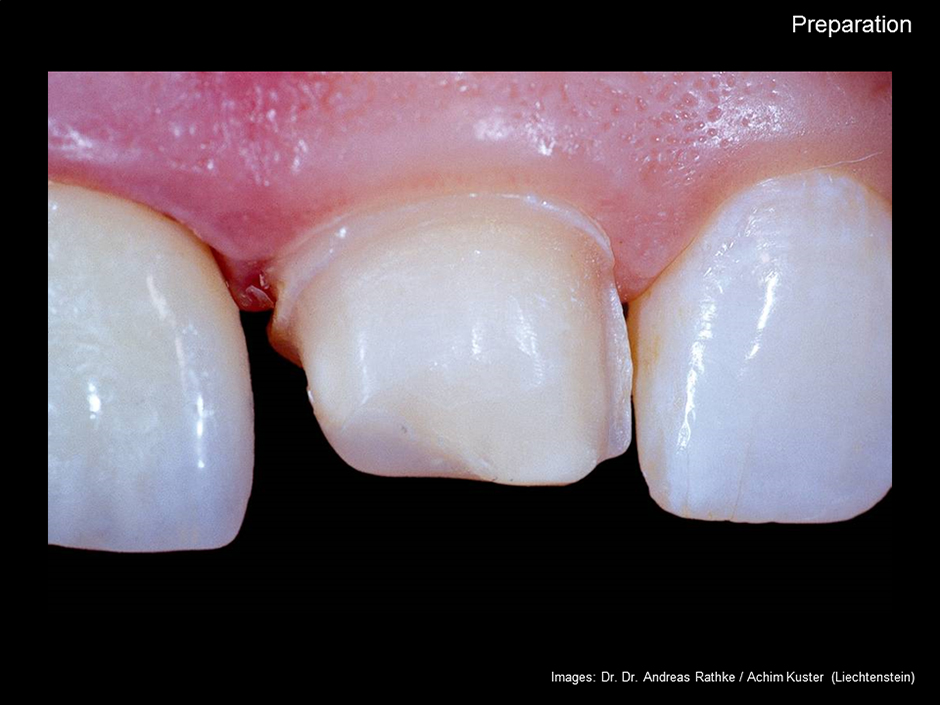
Please view the preparation guide when preparing for resin bonded restorations. Please note however, that sharp line angle must be avoided to reduce the risk of stress fractures in the ceramic. For veneers, it is generally considered for the bulk of the labial preparation should be kept within the enamel, at the same time maintaining the natural curvature of the tooth surface, with 0.75mm being the optimum amount of enamel to be removed. Mesial-distal preparation should be carried through to but without breaking adjacent contacts. There are varying thoughts with regard to incisal preparation, from the very conservative window approach through one for which the margin is on the incisal edge itself to the incisal overlap design with a finish line consisting of a butt margin or chamfer finish. Studies have shown that veneer restorations with an incisal overlap design, proved to be more successful than those without incisal coverage. Chamfered finish lines are preferred cervically. It is acceptable to leave gingival margins supragingivally in many cases where thin veneers are to be used and the existing tooth colour can be allowed to show through and determine the shade of the ceramic. Where tooth discolouration is to be masked out, the margin will almost certainly have to be placed out of sight. This may also be applicable for interproximal finish lines.
Enter your email & get the latest updates straight to your inbox